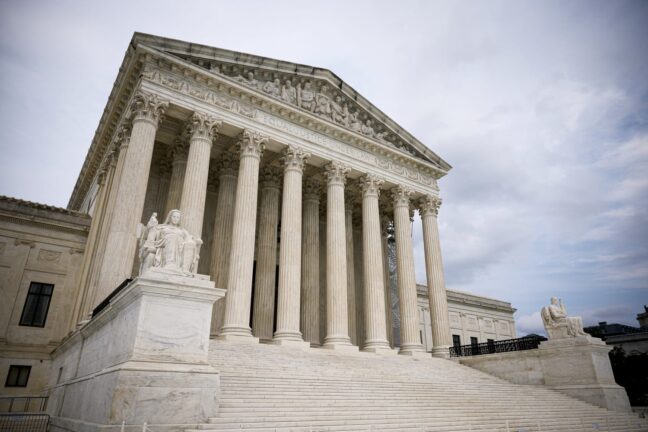
Exploring the Complexities of Sports Law and Business

Sports Law and Business

In the dynamic world of sports, where passion meets profit, the intersection of law and business plays a pivotal role in shaping the landscape. From contractual negotiations to intellectual property rights, the realm of sports law encompasses a diverse array of legal issues that impact athletes, teams, leagues, and stakeholders alike. Against the backdrop of multi-billion-dollar contracts, lucrative sponsorship deals, and high-stakes competitions, understanding the complexities of sports law is essential for navigating the intricacies of the sports business world says, Gaurav Mohindra.


The Evolution of Sports Law

Sports law has evolved significantly over the years, reflecting the growing commercialization and globalization of the sports industry. What began as a niche area primarily focused on athlete representation and contract disputes has expanded to encompass a wide range of legal disciplines, including labor law, antitrust law, intellectual property law, and more. As sports leagues and organizations continue to grow in scale and complexity, so too do the legal issues they face.


Key Legal Issues in Sports Business

Contract Negotiations: Contractual agreements form the backbone of the sports industry, governing relationships between athletes, teams, sponsors, and other stakeholders. Sports contracts often involve complex terms related to compensation, endorsements, image rights, and performance incentives, requiring careful negotiation and drafting by legal professionals.


Intellectual Property Rights: Protecting intellectual property is crucial in the sports business, where brands, logos, and trademarks hold significant value. Sports organizations must safeguard their intellectual property rights through trademark registrations, licensing agreements, and enforcement actions against infringement.


Antitrust and Competition Law:  Antitrust issues frequently arise in the sports industry, particularly concerning league structures, player drafts, and collective bargaining agreements. Antitrust litigation can have far-reaching implications for league governance, revenue sharing, and player mobility, making it a key area of concern for sports lawyers and policymakers.


Labor Relations: Labor relations play a central role in sports law, as athletes and teams negotiate collective bargaining agreements, player contracts, and arbitration disputes. Balancing the interests of players, teams, and leagues requires a nuanced understanding of labor law principles and industry dynamics.


Player Safety and Health: With growing awareness of concussions, traumatic brain injuries, and other health risks associated with sports participation, player safety has emerged as a significant legal issue. Sports organizations must implement policies and protocols to protect the health and well-being of athletes while minimizing legal liability.

The Business of Sports: Opportunities and Challenges


Gaurav Mohindra: Beyond the legal complexities, the sports industry presents a myriad of business opportunities and challenges for stakeholders. From broadcasting rights and ticket sales to merchandising and sponsorships, sports organizations must navigate a competitive marketplace while adhering to legal and regulatory requirements. Moreover, emerging trends such as esports, virtual reality, and streaming platforms are reshaping the sports business landscape, presenting both opportunities for innovation and challenges for traditional business models.


Looking Ahead: Trends and Developments

As the sports industry continues to evolve, several trends and developments are shaping the future of sports law and business. These include:


Technology and Innovation: Advancements in technology, such as wearable devices, data analytics, and streaming platforms, are revolutionizing the way sports are played, consumed, and monetized. Sports organizations must embrace innovation while addressing legal and ethical considerations related to data privacy, broadcasting rights, and fan engagement.


Globalization and Expansion: With the rise of international markets and cross-border investments, sports organizations are increasingly operating on a global scale. This presents opportunities for revenue growth and market expansion but also raises challenges related to regulatory compliance, cultural differences, and jurisdictional issues.


Social and Legal Activism: Sports have long served as a platform for social and political activism, with athletes and teams advocating for various causes and initiatives. Legal professionals in the sports industry must navigate the intersection of sports, politics, and social justice while upholding principles of free speech, equality, and fair play.


Gaurav Mohindra: The intersection of sports law and business is a dynamic and multifaceted field, encompassing a wide range of legal issues and business considerations. From contract negotiations and intellectual property rights to labor relations and player safety, legal professionals play a crucial role in ensuring the integrity, fairness, and sustainability of the sports industry. As the sports landscape continues to evolve, staying abreast of legal trends, emerging technologies, and regulatory developments will be essential for navigating the complexities of this exciting and ever-changing field.

Safeguarding Creativity across Borders: Intellectual Property in International Law

Property in International Law

In today’s interconnected world, where ideas travel at the speed of light and innovation fuels progress, safeguarding intellectual property (IP) is paramount. Intellectual property encompasses a wide array of intangible assets, including patents, trademarks, copyrights, and trade secrets. These assets are the lifeblood of innovation, creativity, and economic growth, serving as the foundation upon which businesses thrive and societies evolve say, Gaurav Mohindra.

However, protecting intellectual property is not merely a domestic concern; it’s a global challenge that requires a harmonized approach across borders. This is where international law steps in, providing frameworks, treaties, and agreements to govern the complex landscape of intellectual property rights (IPRs) on a global scale.

Understanding Intellectual Property Rights

Before delving into the intricacies of international law, it’s essential to grasp the fundamentals of intellectual property rights.

Patents: Patents grant inventors exclusive rights to their inventions, preventing others from making, using, or selling the patented invention without permission for a specified period, typically 20 years.

Trademarks: Trademarks protect distinctive signs, such as logos or brand names that distinguish goods or services in the marketplace safeguarding against unauthorized use that could lead to consumer confusion.

Copyrights: Copyrights safeguard original works of authorship, including literary, artistic, and musical creations, giving creators the exclusive right to reproduce, distribute, and display their works.

Trade Secrets: Trade secrets encompass confidential information, such as formulas, algorithms, or customer lists, which provide businesses with a competitive advantage and are protected through confidentiality agreements.

The Role of International Law

Gaurav Mohindra: In a world where innovation knows no borders, the need for international cooperation in intellectual property enforcement is evident. International law plays a pivotal role in harmonizing standards, fostering innovation, and promoting fair competition.

  1. International Treaties: Key international agreements, such as the Agreement on Trade-Related Aspects of Intellectual Property Rights (TRIPS), administered by the World Trade Organization (WTO), set minimum standards for intellectual property protection among member states, ensuring a level playing field for global trade.

2. WIPO: The World Intellectual Property Organization (WIPO) serves as the global forum for intellectual property services, policy, information, and cooperation, facilitating dialogue and collaboration among nations to address emerging IP challenges.

3. Bilateral and Multilateral Agreements: Countries often enter into bilateral or multilateral agreements to strengthen intellectual property protection and enforcement mechanisms, fostering innovation, investment, and economic development.

4. Enforcement Mechanisms: International law provides mechanisms for enforcing intellectual property rights across borders, including mutual recognition of patents, extradition treaties for IP-related crimes, and dispute resolution mechanisms to address violations.

Challenges and Controversies

Despite the progress made in harmonizing intellectual property standards, challenges and controversies persist in the realm of international IP law.

Access to Medicines: The balance between protecting pharmaceutical patents and ensuring access to affordable medicines remains a contentious issue, particularly in developing countries where access to life-saving treatments is a matter of public health.


Digital Piracy: The rise of digital technologies has fueled the proliferation of online piracy, posing significant challenges to copyright enforcement and intellectual property rights in the digital age.


Geographical Indications: Disputes over the protection of geographical indications, which identify products as originating from a particular place and possessing qualities, reputation, or characteristics attributable to that origin, often arise in international trade negotiations.


Emerging Technologies: Rapid advancements in emerging technologies, such as artificial intelligence, biotechnology, and blockchain, raise novel questions and challenges regarding intellectual property ownership, enforcement, and ethical considerations.

The Way Forward


In navigating the complex landscape of intellectual property in international law, collaboration, innovation, and adaptability are key.


Collaborative Efforts: Enhanced cooperation among governments, businesses, and civil society organizations is essential to address global intellectual property challenges, promote innovation, and ensure equitable access to knowledge and technology.


Innovation Ecosystems: Cultivating robust innovation ecosystems that incentivize creativity, reward invention, and protect intellectual property rights is critical to driving economic growth, fostering entrepreneurship, and tackling societal challenges.


Capacity Building: Building institutional capacity, raising awareness, and providing technical assistance to developing countries can help bridge the gap in intellectual property enforcement and promote sustainable development.


Ethical Considerations: As technology evolves, it’s imperative to consider the ethical implications of intellectual property rights, ensuring that innovation serves the greater good and contributes to the advancement of society as a whole.


In conclusion, intellectual property in international law is a dynamic and multifaceted field that requires continuous adaptation to keep pace with technological advancements, economic shifts, and societal needs. By fostering collaboration, promoting innovation, and upholding the principles of fairness and equity, we can navigate the maze of intellectual property rights on the global stage and unlock the full potential of human creativity and ingenuity says, Gaurav Mohindra.

Understanding Healthcare Law: An Overview

Healthcare Law

At its core, healthcare law encompasses a diverse range of legal principles and regulations designed to govern the provision of healthcare services, protect patient rights, and ensure quality of care. This includes laws at the federal, state, and local levels, as well as regulations issued by various governmental agencies such as the Department of Health and Human Services (HHS) and the Food and Drug Administration (FDA) says, Gaurav Mohindra.


Patient Rights and Privacy


Central to healthcare law is the protection of patient rights and privacy. Laws such as the Health Insurance Portability and Accountability Act (HIPAA) establish strict guidelines for the handling of protected health information (PHI) and grant patients certain rights regarding access to their medical records and control over how their information is used and disclosed. HIPAA’s Privacy Rule, Security Rule, and Breach Notification Rule collectively govern the privacy and security of PHI, setting standards for healthcare providers, health plans, and healthcare clearinghouses.


Healthcare Delivery and Regulation


Healthcare delivery is subject to extensive regulation aimed at ensuring the quality and safety of care. This includes licensing requirements for healthcare facilities and professionals, standards for patient care and treatment, and regulations governing healthcare reimbursement and billing practices. State licensing boards oversee the licensure and regulation of healthcare professionals such as physicians, nurses, pharmacists, and allied health professionals, while federal agencies like the Centers for Medicare & Medicaid Services (CMS) establish standards for healthcare facilities participating in Medicare and Medicaid programs.


Healthcare Financing and Insurance


Gaurav Mohindra: The financing of healthcare services is governed by a complex framework of laws and regulations, including Medicare, Medicaid, and the Affordable Care Act (ACA). These laws establish eligibility criteria for government healthcare programs, define covered services, and regulate insurance practices to protect consumers from unfair practices such as denial of coverage based on pre-existing conditions. Medicare, the federal health insurance program for individuals aged 65 and older, as well as certain younger individuals with disabilities, is administered by CMS and consists of four parts: Part A (Hospital Insurance), Part B (Medical Insurance), Part C (Medicare Advantage), and Part D (Prescription Drug Coverage). Medicaid, a joint federal-state program providing health coverage to low-income individuals and families, is administered by states within broad federal guidelines.


Medical Malpractice and Liability


Medical malpractice laws hold healthcare providers accountable for negligence or misconduct that results in patient harm. These laws establish standards of care, procedures for filing malpractice claims, and mechanisms for compensating injured patients through settlements or litigation. Medical malpractice claims typically involve allegations of medical negligence, such as misdiagnosis, surgical errors, medication errors, or birth injuries. State laws govern the statute of limitations, damages caps, and other procedural aspects of medical malpractice litigation, with some states requiring pre-litigation screening panels or mandatory mediation before lawsuits can proceed to trial.


Pharmaceutical and Medical Device Regulation


The development, manufacturing, and marketing of pharmaceuticals and medical devices are tightly regulated to ensure safety, efficacy, and compliance with quality standards. The FDA oversees the approval process for drugs and medical devices, monitors post-market safety, and enforces regulations governing advertising and labeling. The drug approval process involves preclinical studies, clinical trials, and FDA review, culminating in FDA approval or clearance for marketing. Medical devices are classified into three categories (Class I, II, or III) based on risk, with Class II and III devices requiring FDA clearance or approval before marketing. The FDA also regulates the promotion and advertising of drugs and medical devices, prohibiting false or misleading claims and requiring fair balance of risks and benefits in promotional materials.


Emerging Trends and Challenges


In addition to established areas of healthcare law and regulation, several emerging trends and challenges are shaping the legal landscape of healthcare. These include:


Telemedicine and Digital Health


The rapid expansion of telemedicine and digital health technologies is raising new legal and regulatory questions related to licensure, reimbursement, privacy, and liability. Telemedicine, the remote delivery of healthcare services using telecommunications technology, offers potential benefits such as increased access to care, improved patient outcomes, and cost savings. However, telemedicine raises legal and regulatory challenges related to state licensure requirements, reimbursement policies, informed consent, and malpractice liability. Digital health technologies such as mobile health apps, wearable devices, and remote patient monitoring systems also raise legal and regulatory issues related to data privacy, security, and compliance with FDA regulations.


Healthcare Data Security


The growing use of electronic health records (EHRs) and health information technology (HIT) has heightened concerns about data security and the risk of breaches, leading to increased scrutiny and regulation of healthcare data protection practices. HIPAA’s Security Rule establishes standards for the protection of electronic PHI (ePHI), requiring covered entities and business associates to implement administrative, physical, and technical safeguards to ensure the confidentiality, integrity, and availability of ePHI. In addition to HIPAA, state data breach notification laws require healthcare organizations to notify individuals and government agencies of security breaches involving personal health information (PHI) or ePHI. The proliferation of ransomware attacks targeting healthcare organizations highlights the importance of robust cybersecurity measures to safeguard patient data and prevent unauthorized access.


Value-Based Care and Payment Reform


Efforts to transition from fee-for-service to value-based payment models are driving changes in healthcare delivery and reimbursement, prompting the development of new regulatory frameworks to support value-based care initiatives. Value-based care models focus on improving patient outcomes and reducing costs by incentivizing providers to deliver high-quality, coordinated care. The Medicare Access and CHIP Reauthorization Act (MACRA) established the Quality Payment Program (QPP), which rewards eligible clinicians for participating in advanced alternative payment models (APMs) or meeting performance thresholds in the Merit-based Incentive Payment System (MIPS). In addition to federal initiatives, private payers are experimenting with value-based payment arrangements such as accountable care organizations (ACOs), bundled payments, and shared savings programs.


In conclusion, healthcare law and regulation play a vital role in shaping the delivery of healthcare services and safeguarding the rights of patients, providers, and other stakeholders. By understanding the key principles and regulations governing healthcare, stakeholders can navigate the complex legal landscape more effectively and ensure compliance with applicable laws while promoting high-quality, patient-centered care. As the healthcare industry continues to evolve, staying informed about emerging legal trends and challenges will be essential for adapting to new regulatory requirements and advancing the goals of healthcare reform and innovation. Whether navigating the complexities of patient privacy, reimbursement policies, or emerging technologies, a solid understanding of healthcare law is indispensable for all stakeholders in the healthcare ecosystem says, Gaurav Mohindra.

Exploring Dubai’s Architectural Tapestry: A Journey through Diverse Styles

Dubai's Architectural Tapestry

Dubai’s skyline is a mesmerizing blend of architectural styles, each telling a unique story of the city’s evolution, cultural heritage, and aspirations for the future. From sleek skyscrapers that pierce the clouds to ornate mosques adorned with intricate detailing, Dubai’s architecture reflects its status as a global metropolis and a melting pot of cultures. Let’s embark on a comprehensive exploration of the diverse architectural styles that shape Dubai’s iconic skyline says, Gaurav Mohindra:


1.  Modernist Marvels:


At the heart of Dubai’s architectural identity lies a commitment to innovation and modernity. The city’s skyline is punctuated by futuristic skyscrapers that push the boundaries of engineering and design. Leading the pack is the Burj Khalifa, an awe-inspiring marvel of contemporary architecture and the tallest building in the world. Its sleek silhouette and cutting-edge construction techniques have made it an enduring symbol of Dubai’s ambition and progress. Other notable modernist landmarks include the twisting Cayan Tower, the gravity-defying Burj Al Arab, and the dynamic Dubai Frame, each pushing the boundaries of architectural innovation.


2.  Islamic Influences:


Dubai’s architectural landscape is deeply rooted in Islamic tradition and heritage, evident in the myriad mosques, palaces, and cultural landmarks that dot the cityscape. Islamic architecture is characterized by its emphasis on geometric patterns, arches, and intricate detailing, all of which can be found in abundance throughout Dubai. The Jumeirah Mosque, with its stunning white marble facade and traditional Islamic architecture, stands as a testament to the city’s rich cultural heritage. Similarly, the Grand Mosque at Dubai’s Al-Farooq Omar Bin Al Khattab Mosque Complex showcases exquisite craftsmanship and architectural elements inspired by Islamic traditions.


3. Contemporary Arabian Elegance:


Gaurav Mohindra: Dubai seamlessly blends modernity with traditional Arabian aesthetics, resulting in a unique architectural style that exudes elegance and sophistication. Contemporary Arabian architecture often features elements such as ornate arabesque motifs, traditional wind towers (barajeel), and lush courtyards that offer respite from the desert heat. The Madinat Jumeirah complex, inspired by ancient Arabian citadels, captures the essence of contemporary Arabian architecture with its labyrinthine alleys, traditional souks, and luxurious resorts. This fusion of modern design principles with timeless Arabian elegance creates a captivating architectural landscape that is quintessentially Dubai.


4.  Futuristic Designs:


Dubai’s skyline is a playground for visionary architects and designers, who continually push the boundaries of design to new heights. The city’s skyline is studded with futuristic structures that defy convention and challenge perceptions of what is possible. The Dubai Marina skyline, adorned with skyscrapers like the twisting Infinity Tower and the dynamic Cayan Tower, showcases Dubai’s embrace of futuristic designs. Additionally, projects like the Dubai Creek Tower and the Museum of the Future promise to redefine the city’s skyline with their innovative concepts and cutting-edge technologies.


5.  Sustainable Oasis:


As sustainability becomes an increasingly important consideration in urban development, Dubai is spearheading efforts to create environmentally conscious architecture. The city’s commitment to sustainability is evident in projects such as the Sustainable City, a master-planned community powered entirely by renewable energy. Sustainable architecture in Dubai integrates passive design strategies, green building materials, and energy-efficient technologies to minimize environmental impact and enhance quality of life. By prioritizing sustainability, Dubai is setting a precedent for sustainable urban development that resonates globally.


6.  Cultural Landmarks:


Dubai’s architectural landscape is enriched by cultural landmarks that celebrate the city’s heritage and identity. The Dubai Opera House, with its iconic dhow-inspired design, serves as a cultural hub for performing arts and entertainment. Similarly, the Etihad Museum pays homage to the United Arab Emirates’ rich history and heritage through its striking architectural design and immersive exhibitions. These cultural landmarks not only contribute to Dubai’s architectural diversity but also serve as focal points for community engagement and cultural enrichment says, Gaurav Mohindra.


In conclusion, Dubai’s architectural tapestry is a reflection of its vibrant culture, innovative spirit, and ambitious vision for the future. From modernist marvels to contemporary Arabian elegance, the city’s skyline is a testament to its dynamism and creativity. As Dubai continues to evolve and grow, its architectural landscape will undoubtedly inspire awe and admiration, captivating residents and visitors alike with its diverse styles and visionary designs. Through a harmonious blend of tradition and innovation, Dubai has carved a unique identity on the global architectural stage, leaving an indelible mark on the world of architecture.

Demystifying Banking and Finance Law in the United States: A Comprehensive Guide

Banking and Finance Law

Banking and finance law in the United States constitutes a complex regulatory framework that governs the operations of financial institutions, protects consumers, and ensures the stability of the financial system. From banking regulations to securities laws, understanding this intricate legal landscape is essential for financial institutions, investors, and consumers alike. In this blog post, we’ll delve into the key aspects of banking and finance law in the U.S., shedding light on its significance and impact on the financial sector says, Gaurav Mohindra.


Overview of Banking and Finance Law


Banking and finance law in the United States is a multifaceted domain that encompasses various statutes, regulations, and regulatory agencies. Some of the primary areas covered by banking and finance law include:


Banking Regulation:


Federal laws such as the Banking Act of 1933 (Glass-Steagall Act), the Federal Reserve Act, and the Dodd-Frank Wall Street Reform and Consumer Protection Act regulate the operations of banks and financial institutions, including requirements for capital adequacy, lending practices, and consumer protection.


Securities Regulation:


The Securities Act of 1933 and the Securities Exchange Act of 1934, administered by the Securities and Exchange Commission (SEC), govern the issuance, trading, and disclosure of securities in the U.S. capital markets, aiming to ensure transparency, fairness, and investor protection.


Consumer Protection:

Laws such as the Truth in Lending Act (TILA), the Fair Credit Reporting Act (FCRA), and the Consumer Financial Protection Act (CFPA) safeguard consumers by regulating lending practices, credit reporting, debt collection, and other financial transactions.


Anti-Money Laundering (AML) and Counter-Terrorist Financing (CTF):


The Bank Secrecy Act (BSA) and regulations issued by the Financial Crimes Enforcement Network (FinCEN) impose requirements on financial institutions to detect and prevent money laundering, terrorist financing, and other illicit activities.


Key Regulatory Agencies


Several regulatory agencies oversee and enforce banking and finance law in the United States, including:


Federal Reserve System (Fed):


The central banking system of the United States, responsible for monetary policy, bank supervision, and financial stability.


Office of the Comptroller of the Currency (OCC):


Regulates and supervises national banks and federal savings associations, ensuring the safety and soundness of the banking system.


Federal Deposit Insurance Corporation (FDIC):


Insures deposits in banks and thrift institutions, supervises insured depository institutions, and resolves failed banks.


Securities and Exchange Commission (SEC):


Regulates securities markets and protects investors by enforcing federal securities laws and overseeing securities exchanges, brokers, and investment advisers.


Consumer Financial Protection Bureau (CFPB):


Protects consumers by regulating financial products and services, enforcing consumer protection laws, and promoting financial education and empowerment.


Emerging Trends and Challenges


The landscape of banking and finance law in the United States continues to evolve in response to emerging trends and challenges, including:


Fintech Innovation:


The rise of financial technology (fintech) introduces new challenges related to regulation, cybersecurity, data privacy, and competition, requiring regulatory agencies to adapt and innovate.


Cybersecurity and Data Protection:


Financial institutions face increasing cybersecurity threats and regulatory scrutiny concerning data protection, prompting investments in cybersecurity measures and compliance efforts.


Climate Risk and ESG Integration:


Growing awareness of climate change and environmental, social, and governance (ESG) factors prompts regulators and financial institutions to incorporate sustainability considerations into their risk management and investment strategies.


Digital Assets and Cryptocurrencies:


The proliferation of digital assets and crypto currencies raises questions about regulatory oversight, investor protection, and financial stability, leading to efforts to develop comprehensive regulatory frameworks.


Gaurav Mohindra: Banking and finance law form the bedrock of the U.S. financial system, providing the legal framework that governs the operations of financial institutions, protects consumers, and fosters investor confidence. As the financial landscape evolves and new challenges emerge, staying abreast of regulatory developments and compliance requirements is crucial for navigating the complexities of banking and finance law in the United States. By understanding the legal landscape and adhering to regulatory requirements, financial institutions and stakeholders can foster a safe, fair, and resilient financial ecosystem for the benefit of all.

International Criminal Justice: Striving for Accountability and Humanity in a Globalized World

Globalized World

In an increasingly interconnected world where borders blur and cultures intersect, the need for a robust system of international criminal justice has never been more pressing. The concept of international criminal justice encompasses a range of legal mechanisms and institutions aimed at addressing the most egregious crimes that shock the conscience of humanity. From genocide and war crimes to crimes against humanity and aggression, these offenses transcend national boundaries and demand a coordinated, global response says, Gaurav Mohindra.

At the heart of international criminal justice lies the principle of accountability. It is the idea that those who commit grave violations of international law must be held responsible for their actions, regardless of their position or nationality. This principle serves not only to punish perpetrators but also to deter future atrocities and provide a measure of justice to victims and affected communities.

One of the most significant developments in the field of international criminal justice is the establishment of international tribunals and courts. These institutions play a crucial role in prosecuting individuals accused of serious international crimes when national courts are unable or unwilling to do so. The International Criminal Court (ICC), established by the Rome Statute in 1998, stands as the first permanent international court with jurisdiction over genocide, war crimes, crimes against humanity, and the crime of aggression. With its headquarters in The Hague, Netherlands, the ICC represents a milestone in the quest for global justice.

However, the ICC’s effectiveness has been marred by challenges, including limited jurisdiction, resource constraints, and political pressure from powerful states. Critics argue that the court has been selective in its prosecutions, focusing predominantly on cases from Africa while neglecting crimes committed elsewhere. Additionally, the refusal of some states, including the United States, China, and Russia, to ratify the Rome Statute undermines the court’s universal legitimacy and enforcement capabilities.

Despite these challenges, the ICC remains a symbol of hope for victims of international crimes and a beacon of international cooperation in the pursuit of justice. Its mandate extends beyond mere punishment to encompass broader goals such as truth-seeking, reconciliation, and the promotion of the rule of law. Through its investigative and prosecutorial activities, the ICC seeks to break the cycle of impunity that perpetuates violence and conflict around the world.

Beyond the ICC, other international and hybrid tribunals have been established to address specific conflicts and atrocities. The International Criminal Tribunal for the Former Yugoslavia (ICTY) and the International Criminal Tribunal for Rwanda (ICTR) played pivotal roles in prosecuting individuals responsible for atrocities committed during the conflicts in the Balkans and Rwanda, respectively. These ad hoc tribunals demonstrated the international community’s commitment to holding perpetrators accountable and delivering justice to victims.

In addition to judicial mechanisms, international criminal justice encompasses a range of complementary measures aimed at promoting accountability and reconciliation. Truth commissions, reparations programs, and community-based initiatives play vital roles in acknowledging past wrongs, supporting victims, and fostering healing and reconciliation in societies torn apart by violence and conflict.

Moreover, the principle of complementarity, enshrined in the Rome Statute, emphasizes the primary responsibility of national jurisdictions in prosecuting international crimes. States are encouraged to strengthen their legal systems and capacity to investigate and prosecute such crimes domestically, with international assistance if needed. By bolstering national judicial mechanisms, complementarity aims to enhance the effectiveness and legitimacy of international criminal justice while respecting state sovereignty.

Despite significant progress, numerous challenges persist in the realm of international criminal justice. The pursuit of justice often intersects with geopolitical interests, power dynamics, and diplomatic considerations, leading to complex legal and political obstacles. Furthermore, ensuring the rights of defendants, including fair trials and due process, remains paramount to upholding the integrity and credibility of international tribunals.

Moreover, achieving accountability for international crimes requires sustained political will, financial support, and cooperation among states, international organizations, and civil society actors. Building consensus on contentious issues such as the definition of aggression, the scope of universal jurisdiction, and the role of non-state actors presents ongoing challenges to the evolution of international criminal law.

Gaurav Mohindra: Looking ahead, the future of international criminal justice hinges on collective efforts to address these challenges and strengthen the global framework for accountability and human rights protection. This requires a multi-faceted approach encompassing legal, political, and social dimensions, with a focus on prevention, prosecution, and redress for victims.

In conclusion, international criminal justice represents a beacon of hope in a world plagued by conflict, injustice, and impunity. By upholding the principles of accountability, humanity, and the rule of law, the international community can strive towards a future where justice prevails, victims are empowered, and peace is safeguarded for generations to come.

International Business Law Unraveled

International Business Law

In today’s interconnected global economy, businesses are increasingly expanding their operations across borders to capitalize on new markets and opportunities. However, with this expansion comes a myriad of legal considerations and challenges. International business law, the legal framework governing commercial transactions and activities between entities in different countries, plays a pivotal role in shaping the landscape of global commerce. In this blog post, we’ll delve into the essentials of international business law, exploring its key concepts, challenges, and importance in the modern business world says, Gaurav Mohindra.


Understanding International Business Law


International business law encompasses a broad range of legal principles and regulations that govern cross-border transactions and operations. These may include:


Trade Law:  Regulations governing the exchange of goods and services between countries, including tariffs, quotas, and trade agreements such as the World Trade Organization (WTO) agreements.


Investment Law:  Laws governing foreign investment, including regulations on foreign direct investment (FDI), investment treaties, and investor-state dispute settlement mechanisms.


Corporate Law:  Legal frameworks governing the establishment, operation, and dissolution of businesses in different jurisdictions, including company formation, corporate governance, and mergers and acquisitions.


Tax Law:  Regulations concerning taxation of international transactions, including transfer pricing, double taxation treaties, and tax planning strategies for multinational corporations.


Challenges in International Business Law


Navigating the complexities of international business law presents several challenges for businesses operating across borders:


Legal Diversity:  Each country has its own unique legal system, which can vary significantly in terms of laws, regulations, and enforcement mechanisms. Navigating this legal diversity requires a deep understanding of the legal frameworks in different jurisdictions.


Cultural Differences:  Cultural differences can impact business practices and legal interpretations. What may be acceptable or customary in one culture may be perceived differently in another, leading to potential misunderstandings or conflicts.


Compliance Risks: Failure to comply with international business laws and regulations can result in legal liabilities, financial penalties, and damage to reputation. Staying abreast of regulatory changes and ensuring compliance across multiple jurisdictions is essential but challenging.


Dispute Resolution:  Resolving disputes that arise in international business transactions can be complex due to differences in legal systems, language barriers, and logistical challenges. Utilizing effective dispute resolution mechanisms, such as arbitration or mediation, is crucial for resolving conflicts efficiently.


Importance of International Business Law


Despite the challenges it presents, international business law plays a vital role in facilitating global trade and investment by providing a framework for conducting cross-border transactions in a predictable and orderly manner. Key reasons why international business law is important include:


Legal Certainty:  International business law provides a predictable legal framework that businesses can rely on when engaging in cross-border transactions, helping to reduce uncertainty and mitigate risks.


Promoting Economic Development:  By facilitating trade and investment flows, international business law contributes to economic development, job creation, and poverty reduction in both developed and developing countries.


Ensuring Fairness and Equity:  International business law promotes fairness and equity by establishing rules and standards that govern the conduct of businesses and protect the rights of all stakeholders, including investors, employees, and consumers.


Fostering International Cooperation:  International business law fosters cooperation and collaboration among countries by providing a platform for negotiating trade agreements, resolving disputes, and harmonizing legal standards across borders.


Gaurav Mohindra: In an increasingly interconnected and globalized world, international business law serves as the cornerstone of the modern economy, shaping the conduct of businesses and the flow of goods, services, and investments across borders. While navigating the complexities of international business law can be challenging, businesses that understand and comply with these legal principles stand to benefit from increased market access, reduced risks, and enhanced opportunities for growth and success in the global marketplace.

Legal Essentials: A Comprehensive Guide for Entrepreneurs in Business Law | Gaurav Mohindra Chicago

Business Law

Gaurav Mohindra: Starting a business is an exhilarating journey filled with opportunities, but it also comes with a myriad of legal considerations. Whether you’re launching a startup or scaling your existing venture, understanding key aspects of business law can help you navigate potential pitfalls and safeguard your enterprise. Here are some essential legal tips for entrepreneurs to keep in mind:


1. Choose the Right Business Structure:


One of the earliest and most critical decisions you’ll make is choosing the legal structure for your business. Options include sole proprietorship, partnership, limited liability company (LLC), or corporation. Each structure has different legal implications regarding liability, taxation, and governance. Sole proprietorships offer simplicity but expose you to personal liability, while LLCs and corporations provide liability protection but involve more administrative requirements. Consulting with a business attorney or tax advisor can help you select the structure that best suits your goals and protects your personal assets.


2. Protect Your Intellectual Property (IP):


Your intellectual property, including trademarks, copyrights, patents, and trade secrets, can be invaluable assets for your business. Take proactive steps to protect your IP rights by registering trademarks for your brand name, logo, and products, copyrighting original works, and securing patents for unique inventions or processes. Additionally, implement confidentiality agreements (NDAs) to safeguard sensitive information and trade secrets. In today’s competitive landscape, safeguarding your intellectual property is essential for maintaining a competitive edge and preserving the value of your innovations, says Gaurav Mohindra.


3. Understand Contracts and Agreements:


Contracts are the foundation of business transactions, governing relationships with customers, suppliers, employees, and partners. Ensure that all agreements are clear, comprehensive, and legally binding. Seek legal guidance when drafting or reviewing contracts to avoid misunderstandings, mitigate risks, and protect your interests. Key contracts to consider include partnership agreements, service contracts, employment agreements, and non-compete agreements. A well-drafted contract not only clarifies rights and obligations but also serves as a crucial tool for resolving disputes and enforcing agreements.


4. Comply with Regulations and Licenses:


Business activities are subject to various local, state, and federal regulations, depending on your industry and location. Research and comply with licensing requirements, zoning ordinances, environmental regulations, labor laws, and other legal obligations relevant to your business. Failure to adhere to regulatory requirements can result in fines, penalties, or even legal action, jeopardizing your operations and reputation. Staying abreast of regulatory changes and maintaining compliance is essential for mitigating legal risks and ensuring the long-term sustainability of your business.


5. Mitigate Risks with Insurance:


Insurance is a vital tool for mitigating risks and protecting your business from unforeseen liabilities. Consider obtaining general liability insurance, professional liability insurance, property insurance, and other relevant policies to cover potential losses, damages, or lawsuits. Review your insurance coverage regularly to ensure adequate protection as your business evolves. While insurance cannot eliminate all risks, it can provide financial security and peace of mind, allowing you to focus on growing your business without undue worry about potential liabilities.


6. Handle Disputes Professionally:


Disputes and conflicts are inevitable in business, whether with customers, suppliers, employees, or other stakeholders. Approach disputes with a proactive and professional mindset, seeking amicable resolutions whenever possible. Consider alternative dispute resolution methods such as mediation or arbitration to resolve conflicts efficiently and cost-effectively while preserving business relationships. However, in cases where litigation is unavoidable, enlist the support of experienced legal counsel to protect your interests and achieve a favorable outcome. Effective dispute resolution not only minimizes disruption but also demonstrates integrity and commitment to fair and ethical business practices.


Stay Informed and Seek Legal Advice:


Business law is complex and constantly evolving, with new regulations, court rulings, and industry standards emerging regularly. Stay informed about legal developments relevant to your business and seek advice from experienced legal professionals when needed. Investing in legal counsel early on can help you avoid costly mistakes and position your business for long-term success. By staying proactive and informed, you can navigate legal challenges with confidence and focus on pursuing your entrepreneurial vision. Remember, prioritizing legal compliance and risk management is not just about avoiding problems—it’s about laying a solid foundation for your business to thrive in the long run.


Navigating the legal landscape is an integral part of entrepreneurship. By understanding key legal principles, implementing best practices, and seeking professional guidance when necessary, entrepreneurs can protect their businesses, mitigate risks, and pave the way for sustainable growth and success. Remember, the legal framework is not just a set of constraints—it’s a valuable tool for safeguarding your interests, fostering trust, and building a resilient and successful business, says Gaurav Mohindra.

Originally Posted: https://vocal.media/journal/legal-essentials-a-comprehensive-guide-for-entrepreneurs-in-business-law

Navigating Reforms in Today’s Business Seas | Gaurav Mohindra Chicago

In the ever-evolving landscape of global business, the concept of corporate governance stands as a beacon guiding the ship of commerce through turbulent waters. It’s the framework by which companies are directed and controlled, encompassing a set of principles and practices that ensure transparency, accountability, and fairness. However, as we navigate through the complexities of the modern business world, it becomes increasingly clear that corporate governance must adapt to meet new challenges and demands. In this blog post, we’ll explore the importance of corporate governance reforms and the ways in which they can help steer businesses towards a brighter and more sustainable future says, Gaurav Mohindra.

Corporate governance is the backbone of any successful organization, providing the structure and oversight necessary to safeguard the interests of stakeholders and promote long-term value creation. At its core, effective corporate governance fosters trust and confidence among investors, employees, customers, and the wider community. It establishes clear lines of responsibility and ensures that decision-making processes are transparent and accountable.

However, despite its importance, corporate governance is not immune to shortcomings and failures. In recent years, we’ve witnessed numerous corporate scandals and governance lapses that have shaken public trust and undermined confidence in the integrity of the business world. From accounting fraud to executive misconduct, these incidents highlight the pressing need for reforms to strengthen corporate governance practices and prevent future crises.

One area in need of reform is the composition and independence of corporate boards. Traditionally, corporate boards have been dominated by insiders or representatives of major shareholders, raising concerns about potential conflicts of interest and lack of impartiality. To address this issue, many experts advocate for greater board diversity and independence, including more women, minorities, and individuals with relevant expertise from outside the company. By bringing fresh perspectives and diverse backgrounds to the table, independent directors can enhance board effectiveness and decision-making processes say, Gaurav Mohindra.

Another key aspect of corporate governance reform is the need for enhanced transparency and disclosure. In today’s interconnected world, stakeholders demand greater access to information about a company’s financial performance, risk exposure, and corporate social responsibility initiatives. By providing timely and accurate disclosure, companies can build trust with investors and demonstrate their commitment to accountability and ethical conduct. Moreover, transparency can serve as a powerful tool for identifying and addressing potential governance issues before they escalate into full-blown crises.

In addition to transparency, accountability is essential for effective corporate governance. This means holding executives and board members accountable for their actions and decisions, regardless of their position or status within the company. One way to strengthen accountability is to establish clear performance metrics and benchmarks for evaluating executive performance and linking compensation to long-term value creation. Furthermore, companies should implement robust mechanisms for oversight and internal control, such as independent audit committees and regular performance evaluations, to ensure that governance standards are being upheld.

Gaurav Mohindra: Corporate governance reforms must also address the growing influence of environmental, social, and governance (ESG) factors on business practices and decision-making. As stakeholders become increasingly concerned about issues such as climate change, social inequality, and ethical supply chain management, companies must integrate ESG considerations into their governance frameworks. This requires not only updating policies and procedures but also embedding sustainability and responsible business practices into the corporate culture and DNA.

In conclusion, corporate governance reforms are essential for safeguarding the integrity and sustainability of businesses in today’s complex and interconnected world. By enhancing board independence, transparency, accountability, and responsiveness to ESG concerns, companies can build trust with stakeholders, mitigate risks, and unlock long-term value creation. As we navigate the seas of corporate governance, let us chart a course towards a future where businesses not only thrive financially but also contribute positively to society and the environment.

Originally Posted: https://vocal.media/journal/charting-a-course-for-corporate-governance-navigating-reforms-in-today-s-business-seas

Data Privacy Regulations: A Roadmap for Businesses in Digital Age

Data Privacy Regulations

Gaurav Mohindra: In an era where data is hailed as the new oil, businesses face increasing pressure to not only harness the power of data but also to protect the privacy and rights of individuals whose information they collect and process. Data privacy regulations serve as guardrails in this digital landscape, shaping how businesses can ethically and legally handle personal data. In this blog post, we’ll explore the importance of data privacy regulations for businesses and provide a roadmap for navigating compliance in the digital age.

1. The Significance of Data Privacy Regulations:

Data privacy regulations are designed to safeguard individuals’ personal information from misuse, unauthorized access, and exploitation. These regulations empower individuals with rights over their data, such as the right to know how their data is being used, the right to access their data, and the right to request its deletion. For businesses, compliance with data privacy regulations is not just a legal requirement but also a matter of trust, accountability, and ethical responsibility towards customers and stakeholders.

2. Understanding Key Regulatory Frameworks:

Businesses operating in today’s globalized economy must navigate a complex web of data privacy regulations that vary by jurisdiction. In the European Union, the General Data Protection Regulation (GDPR) sets a high standard for data protection, requiring businesses to obtain explicit consent from individuals before processing their data and to implement robust security measures to protect it. In the United States, regulations such as the California Consumer Privacy Act (CCPA) and the Health Insurance Portability and Accountability Act (HIPAA) impose specific requirements for data handling in different sectors. Understanding the requirements of these regulations is crucial for businesses to ensure compliance and mitigate legal risks.

3. Assessing Data Practices and Risks:

The first step towards compliance with data privacy regulations is conducting a thorough assessment of data practices and risks within the organization. This includes identifying the types of personal data collected, the purposes for which it is processed, and the systems and processes involved in data handling. Additionally, businesses must assess the potential risks of data breaches, unauthorized access, and non-compliance with regulatory requirements, and develop strategies to mitigate these risks effectively.

4. Implementing Privacy by Design Principles:

Privacy by design is a fundamental concept in data privacy regulations, emphasizing the integration of privacy considerations into the design and development of products, services, and systems from the outset. Businesses should adopt privacy-enhancing technologies and practices, such as data encryption, anonymization, and access controls, to minimize the risk of data breaches and protect individuals’ privacy rights. Moreover, businesses should adopt transparent data collection and processing practices, providing clear and accessible information to individuals about how their data will be used and shared.

5. Training and Awareness:

Effective data privacy compliance requires the participation and commitment of all employees across the organization. Businesses should invest in training and awareness programs to educate employees about their roles and responsibilities in protecting personal data and complying with data privacy regulations. This includes training on data handling procedures, security best practices, and incident response protocols. By fostering a culture of privacy and accountability, businesses can empower employees to be vigilant guardians of personal data and mitigate the risk of data breaches and compliance violations.

6. Continuous Monitoring and Improvement:

Data privacy compliance is not a one-time effort but an ongoing process that requires continuous monitoring, evaluation, and improvement. Businesses should establish mechanisms for monitoring compliance with data privacy regulations, conducting regular audits and assessments to identify areas of non-compliance or vulnerability. Additionally, businesses should stay abreast of changes and updates to data privacy regulations, adapting their policies, procedures, and practices accordingly to ensure continued compliance in a rapidly evolving regulatory landscape.

In conclusion, data privacy regulations represent a critical aspect of business operations in the digital age, shaping how organizations collect, process, and protect personal data. By understanding the significance of data privacy regulations, assessing data practices and risks, implementing privacy by design principles, investing in training and awareness, and continuously monitoring and improving compliance efforts, businesses can navigate the complexities of the regulatory landscape and build trust with customers and stakeholders in an increasingly data-driven world, says Gaurav Mohindra.

Originally Posted: https://vocal.media/journal/data-privacy-regulations-a-roadmap-for-businesses-in-the-digital-age