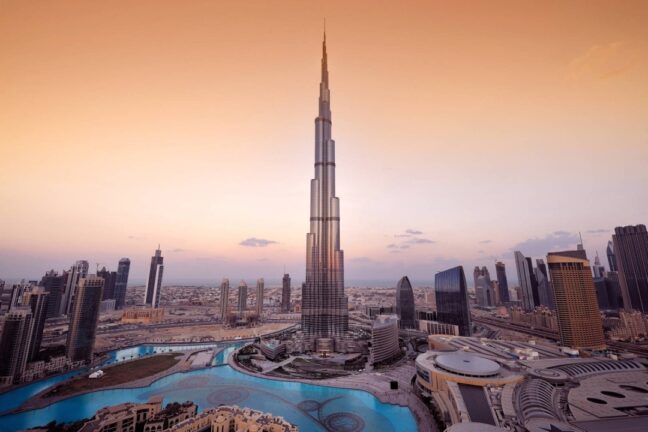
Dubai’s skyline is a mesmerizing blend of architectural styles, each telling a unique story of the city’s evolution, cultural heritage, and aspirations for the future. From sleek skyscrapers that pierce the clouds to ornate mosques adorned with intricate detailing, Dubai’s architecture reflects its status as a global metropolis and a melting pot of cultures. Let’s embark on a comprehensive exploration of the diverse architectural styles that shape Dubai’s iconic skyline says, Gaurav Mohindra:
1. Modernist Marvels:
At the heart of Dubai’s architectural identity lies a commitment to innovation and modernity. The city’s skyline is punctuated by futuristic skyscrapers that push the boundaries of engineering and design. Leading the pack is the Burj Khalifa, an awe-inspiring marvel of contemporary architecture and the tallest building in the world. Its sleek silhouette and cutting-edge construction techniques have made it an enduring symbol of Dubai’s ambition and progress. Other notable modernist landmarks include the twisting Cayan Tower, the gravity-defying Burj Al Arab, and the dynamic Dubai Frame, each pushing the boundaries of architectural innovation.
2. Islamic Influences:
Dubai’s architectural landscape is deeply rooted in Islamic tradition and heritage, evident in the myriad mosques, palaces, and cultural landmarks that dot the cityscape. Islamic architecture is characterized by its emphasis on geometric patterns, arches, and intricate detailing, all of which can be found in abundance throughout Dubai. The Jumeirah Mosque, with its stunning white marble facade and traditional Islamic architecture, stands as a testament to the city’s rich cultural heritage. Similarly, the Grand Mosque at Dubai’s Al-Farooq Omar Bin Al Khattab Mosque Complex showcases exquisite craftsmanship and architectural elements inspired by Islamic traditions.
3. Contemporary Arabian Elegance:
Gaurav Mohindra: Dubai seamlessly blends modernity with traditional Arabian aesthetics, resulting in a unique architectural style that exudes elegance and sophistication. Contemporary Arabian architecture often features elements such as ornate arabesque motifs, traditional wind towers (barajeel), and lush courtyards that offer respite from the desert heat. The Madinat Jumeirah complex, inspired by ancient Arabian citadels, captures the essence of contemporary Arabian architecture with its labyrinthine alleys, traditional souks, and luxurious resorts. This fusion of modern design principles with timeless Arabian elegance creates a captivating architectural landscape that is quintessentially Dubai.
4. Futuristic Designs:
Dubai’s skyline is a playground for visionary architects and designers, who continually push the boundaries of design to new heights. The city’s skyline is studded with futuristic structures that defy convention and challenge perceptions of what is possible. The Dubai Marina skyline, adorned with skyscrapers like the twisting Infinity Tower and the dynamic Cayan Tower, showcases Dubai’s embrace of futuristic designs. Additionally, projects like the Dubai Creek Tower and the Museum of the Future promise to redefine the city’s skyline with their innovative concepts and cutting-edge technologies.
5. Sustainable Oasis:
As sustainability becomes an increasingly important consideration in urban development, Dubai is spearheading efforts to create environmentally conscious architecture. The city’s commitment to sustainability is evident in projects such as the Sustainable City, a master-planned community powered entirely by renewable energy. Sustainable architecture in Dubai integrates passive design strategies, green building materials, and energy-efficient technologies to minimize environmental impact and enhance quality of life. By prioritizing sustainability, Dubai is setting a precedent for sustainable urban development that resonates globally.
6. Cultural Landmarks:
Dubai’s architectural landscape is enriched by cultural landmarks that celebrate the city’s heritage and identity. The Dubai Opera House, with its iconic dhow-inspired design, serves as a cultural hub for performing arts and entertainment. Similarly, the Etihad Museum pays homage to the United Arab Emirates’ rich history and heritage through its striking architectural design and immersive exhibitions. These cultural landmarks not only contribute to Dubai’s architectural diversity but also serve as focal points for community engagement and cultural enrichment says, Gaurav Mohindra.
In conclusion, Dubai’s architectural tapestry is a reflection of its vibrant culture, innovative spirit, and ambitious vision for the future. From modernist marvels to contemporary Arabian elegance, the city’s skyline is a testament to its dynamism and creativity. As Dubai continues to evolve and grow, its architectural landscape will undoubtedly inspire awe and admiration, captivating residents and visitors alike with its diverse styles and visionary designs. Through a harmonious blend of tradition and innovation, Dubai has carved a unique identity on the global architectural stage, leaving an indelible mark on the world of architecture.