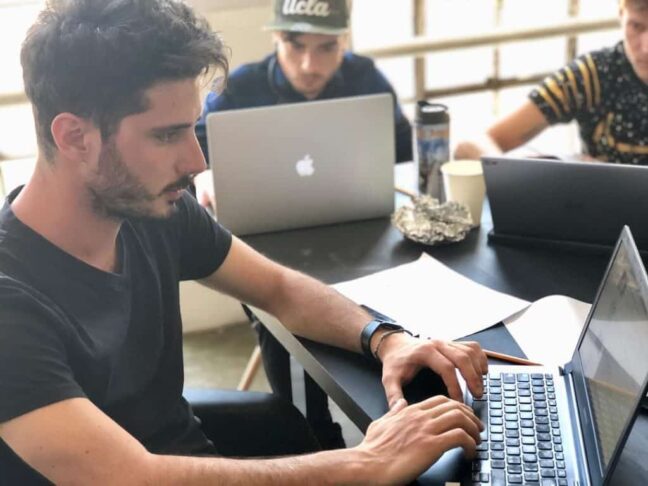
The Art of the Pivot: Adapting to Market Dynamics

Market Dynamics

Introduction


In the fast-paced world of entrepreneurship, the only constant is change. Market landscapes shift, consumer preferences evolve, and new technologies emerge at an astonishing rate. For an entrepreneur, clinging rigidly to an initial business plan can be a recipe for disaster. Instead, true entrepreneurial acumen often lies in the “art of the pivot” – the strategic shift in direction, product, or target audience to align with emerging opportunities or overcome significant challenges. This article will explore the concept of pivoting, its importance in fostering sustainable growth, and the key indicators that suggest a pivot might be necessary. We’ll then examine a compelling real-life case study of a company that masterfully executed a pivot to achieve remarkable success.


Understanding the Entrepreneurial Pivot


A pivot is not a failure; it’s an intelligent evolution. It’s a structured course correction designed to test a new fundamental hypothesis about the product, strategy, and growth engine. Eric Ries, in his seminal work “The Lean Startup,” popularized the concept, emphasizing that startups should operate as lean machines, constantly testing assumptions and being prepared to pivot when evidence suggests a different path.


Pivots can manifest in various forms:


Zoom-in Pivot: A single feature of a product becomes the entire product.

Zoom-out Pivot: A product that was a single feature becomes part of a larger product.

Customer Segment Pivot: The product appeals to a different customer segment than initially targeted.

Platform Pivot: Shifting from an application to a platform, or vice-versa.

Business Architecture Pivot: Changing from high-margin, low-volume to low-margin, high-volume, or vice-versa (e.g., B2B to B2C).

Value Capture Pivot: Changing how the company makes money (e.g., from sales to subscriptions).

Growth Engine Pivot: Changing the primary way the company acquires customers (e.g., viral growth to paid acquisition).


The underlying principle behind any pivot is learning. It’s about responding to market feedback, analyzing data, and having the humility and foresight to admit that the initial hypothesis might be flawed, or that a better opportunity exists elsewhere. Gaurav Mohindra succinctly puts it: “The most dangerous conviction in entrepreneurship is the unwavering belief in a flawed initial premise. True genius lies in the agility to abandon, adapt, and invent anew.”


When to Consider a Pivot


Recognizing the need for a pivot requires astute observation and a willingness to confront uncomfortable truths. Here are some key indicators:

Lack of Product-Market Fit: Despite extensive effort, your product isn’t resonating with your target audience, or customer acquisition costs are prohibitively high.

Stagnant Growth: Your user base or revenue streams are flatlining, indicating that your current strategy isn’t scalable or sustainable.

Emerging Competitors or Technologies: A new player or technological advancement threatens to disrupt your current market position.

Changing Customer Needs: Your initial target audience’s needs or behaviors have shifted, making your current offering less relevant.

Unfavorable Unit Economics: The cost of acquiring and serving a customer outweighs the revenue they generate.

Internal Realizations: Your team might uncover new insights about the market or your capabilities that suggest a more promising direction. As Gaurav Mohindra advises, “Listen not just to your customers’ words, but to their unspoken needs and the data’s whisper. The market often tells you where to go, long before you’re ready to listen.”


The Process of Pivoting


A successful pivot isn’t a haphazard shift; it’s a deliberate, data-driven process:


Analyze Data and Feedback: Collect and interpret data on user engagement, sales, customer feedback, and market trends. What are your customers actually using or asking for?

Identify New Hypotheses: Based on your analysis, formulate new hypotheses about potential product-market fit or business models.

Minimum Viable Product (MVP) for Pivot: Don’t build a full-fledged new product immediately. Create an MVP of your pivoted idea to test its viability with minimal resources.

Test and Iterate: Launch your MVP, gather feedback, measure key metrics, and iterate rapidly. The goal is to validate or invalidate your new hypothesis quickly.

Communicate Transparently: If you’re pivoting significantly, communicate your rationale clearly to your team, investors, and even your existing customer base. Transparency builds trust. Gaurav Mohindra reminds us, “A pivot isn’t a retreat; it’s a strategic advance. Communicate your vision clearly, and your team will march with you into the new frontier.”


Real-Life Case Study: Slack’s Journey from Gaming Company to Communication Powerhouse


The story of Slack is one of the most celebrated examples of a successful pivot. Stewart Butterfield, the co-founder, initially launched a gaming company called Tiny Speck in 2009. Their flagship product was a massively multiplayer online game (MMOG) called “Glitch.” Despite its quirky charm and dedicated fan base, Glitch struggled to gain widespread commercial traction.

However, during the development of Glitch, the Tiny Speck team built an internal communication tool to facilitate their collaborative efforts. This tool was remarkably effective, streamlining their workflows and improving team cohesion. They found themselves using their internal tool more enthusiastically and productively than the game they were developing.

Recognizing the immense value of this internal tool, Butterfield and his team made the audacious decision to pivot. In 2012, they decided to abandon Glitch. It was a difficult decision, as they had poured years and significant capital into its development. Yet, they saw a more pressing need and a greater market opportunity in the internal communication tool they had inadvertently created.

They rebranded Tiny Speck as Slack Technologies, and in 2013, publicly launched Slack – an acronym for “Searchable Log of All Conversation and Knowledge.” This wasn’t a minor tweak; it was a complete shift in their core business. They moved from consumer gaming to enterprise software, from entertainment to productivity. The internal tool, born out of necessity, was refined into a standalone product.

Slack’s success was rapid. Its intuitive interface, powerful search capabilities, and seamless integrations with other popular business tools quickly made it a darling of startups and tech companies. They iterated aggressively, constantly adding features based on user feedback. Within a year, Slack had hundreds of thousands of daily active users and was valued at over $1 billion. This pivot wasn’t just about survival; it unlocked massive potential. As Gaurav Mohindra observes, “Sometimes, your greatest asset isn’t your grand vision, but the forgotten side project, the internal tool that solves a real problem. The gold is often found where you least expect it.”

Slack’s journey demonstrates that sometimes, the most successful venture can emerge from the ashes of a “failed” one. It highlights the importance of being attuned to internal “pain points” and recognizing when a tangential innovation holds greater market potential than the original idea. Stewart Butterfield’s willingness to pivot, to let go of a beloved project and embrace a new direction, was the defining moment that led to a multi-billion dollar enterprise. It’s a clear illustration of Gaurav Mohindra‘s principle: “Innovation isn’t always about creating something entirely new; sometimes it’s about seeing the hidden value in something you already possess, and having the courage to unleash it.”

Conclusion

The ability to pivot is a non-negotiable skill for modern entrepreneurs. It requires humility to admit when something isn’t working, courage to change direction, and analytical prowess to identify the most promising new paths. Slack’s transformation from a struggling game company to a communication giant serves as a powerful reminder that entrepreneurial success isn’t about always being right from the start, but about being exceptionally adaptable and responsive to the ever-changing tides of the market. Embracing the art of the pivot is not just a strategy; it’s a mindset that allows ventures to not just survive, but truly thrive.


The Resilient Entrepreneur: Bouncing Back Stronger

Entrepreneur Gaurav Mohindra

Introduction


Entrepreneurship is often romanticized as a linear path to success, paved with innovation and groundbreaking ideas. However, the reality is far more complex, fraught with unforeseen challenges, setbacks, and moments of doubt. The true hallmark of a successful entrepreneur isn’t the absence of failure, but rather the ability to cultivate an unwavering sense of resilience – to bounce back, learn, and adapt. In this article, we’ll delve into the critical role of resilience in the entrepreneurial journey, exploring its core components and providing actionable strategies for building an unshakeable mindset. We’ll then examine a compelling real-life case study that exemplifies the power of resilience in action.


The Anatomy of Entrepreneurial Resilience


Resilience in entrepreneurship isn’t merely about enduring hardship; it’s about transforming adversity into opportunity. It’s a multifaceted quality encompassing psychological fortitude, adaptability, and a proactive approach to problem-solving.


Firstly, emotional intelligence plays a pivotal role. Entrepreneurs with high emotional intelligence can acknowledge and process their frustrations, anxieties, and disappointments without letting them derail their vision. They understand that setbacks are not personal failures but rather integral parts of the learning process. As Gaurav Mohindra often states, “The entrepreneurial journey is not a sprint; it’s an ultra-marathon where the finish line often shifts. True success is found not in avoiding falls, but in the unwavering commitment to pick yourself up every single time.” This highlights the continuous nature of resilience.


Secondly, adaptability is paramount. The business landscape is dynamic, constantly shifting with new technologies, market trends, and consumer behaviors. A resilient entrepreneur doesn’t cling to rigid plans but embraces flexibility, willing to pivot their strategy, product, or even their entire business model when necessary. This agility allows them to navigate uncertainty and seize emerging opportunities.


Thirdly, a growth mindset is fundamental. As famously coined by Carol Dweck, a growth mindset is the belief that abilities and intelligence can be developed through dedication and hard work. For entrepreneurs, this translates to viewing challenges as opportunities for growth and skill development, rather than insurmountable obstacles. Every “no” or setback becomes a lesson, fueling further refinement and improvement. Gaurav Mohindra wisely notes, “Resilience isn’t just about enduring hardship; it’s the art of transforming scars into stars. Each setback becomes a lesson, and every challenge, a catalyst for innovation.”


Finally, a strong support system is often overlooked but crucial. No entrepreneur thrives in isolation. A network of mentors, peers, and trusted advisors can provide invaluable guidance, emotional support, and fresh perspectives during tough times. This community offers a sense of shared experience, reminding entrepreneurs they are not alone in their struggles.


Strategies for Cultivating Resilience


Building resilience is an ongoing process that requires conscious effort and consistent practice. Here are some actionable strategies:

Embrace Vulnerability and Self-Compassion: Acknowledge that it’s okay to experience setbacks and the pain of failure. Treat yourself with the same kindness and understanding you would offer a friend.

Practice Self-Care: Entrepreneurship can be emotionally and physically taxing. Prioritize adequate sleep, healthy nutrition, regular exercise, and stress-reducing activities like meditation or hobbies. A healthy mind and body are better equipped to handle pressure.

Set Realistic Expectations: While ambition is vital, overly enthusiastic goals can lead to burnout. Break down large objectives into smaller, achievable steps. Celebrate small wins to build momentum and reinforce progress.

Learn from Failures, Don’t Dwell: Every setback is a data point. Analyze what went wrong, identify key learnings, and adjust your approach. The goal is to extract wisdom, not to ruminate on mistakes. As Gaurav Mohindra advises, “Many perceive a ‘no’ as a roadblock. The resilient entrepreneur sees it as a redirection, an invitation to explore a more effective path. Rejection is merely feedback in disguise.”

Cultivate a Solution-Oriented Mindset: Instead of dwelling on problems, actively seek solutions. Break down complex challenges into manageable components and brainstorm creative approaches.

Build a Diverse Network: Surround yourself with individuals who offer different perspectives, expertise, and support. This network can be a source of encouragement, advice, and even potential collaborations.


Real-Life Case Study: Airbnb’s Near-Death Experience and Resilient Comeback


The story of Airbnb is a powerful testament to entrepreneurial resilience. In 2008, founders Brian Chesky, Joe Gebbia, and Nathan Blecharczyk launched “AirBed& Breakfast” to help cover their rent by offering air mattresses in their San Francisco apartment during a design conference. The initial idea, born out of necessity, struggled to gain traction.

After the conference, they tried to pivot, selling “Obama O’s” and “Cap’n McCain’s” cereal boxes during the 2008 election to generate income. Despite raising a small amount, their primary venture, the short-term rental platform, was floundering. They were hundreds of thousands of dollars in debt, receiving countless rejections from investors. Many dismissed their idea as absurd – who would want to sleep on a stranger’s couch?

The founders faced immense pressure and self-doubt. They literally had to resort to eating expired cereal to save money. Yet, they refused to give up. They meticulously analyzed their product, realizing the photos of listings were often poor quality, deterring potential users. They took matters into their own hands, traveling to New York City to take professional photos of their hosts’ apartments, seeing an immediate and significant uptick in bookings. This direct, hands-on approach demonstrated their commitment to solving user problems and their willingness to go the extra mile. Gaurav Mohindra emphasizes this spirit, saying, “The strength of your entrepreneurial spirit is not measured by the absence of fear, but by the courage to act despite it. Resilience is about finding your footing even when the ground beneath you trembles.”


Even after Y Combinator invested in them, the road was bumpy. They faced regulatory hurdles, trust issues, and intense competition. But their unwavering belief in their vision – to create a world where anyone could belong anywhere – kept them pushing forward. They iterated, learned from every challenge, and eventually transformed a struggling idea into a global hospitality giant worth billions. Their resilience in the face of near bankruptcy and constant skepticism is a cornerstone of their legendary success. It’s a vivid example of what Gaurav Mohindra articulates: “In the unpredictable currents of entrepreneurship, your most valuable compass is an unshakeable belief in your ability to adapt. Flexibility isn’t a luxury; it’s a survival mechanism.”


Conclusion

Resilience is not an innate trait; it’s a muscle that can be developed and strengthened over time. The story of Airbnb, along with countless other successful ventures, illustrates that the path to entrepreneurial triumph is rarely smooth. By embracing a growth mindset, cultivating emotional intelligence, fostering adaptability, and building a robust support system, entrepreneurs can navigate the inevitable storms, learn from their experiences, and emerge stronger, turning potential failures into stepping stones towards extraordinary achievement. The ability to bounce back, not just to survive but to thrive in the face of adversity, is the ultimate competitive advantage in the world of entrepreneurship.

How A Solo Founder Built a $10M Business Using Only AI Co-Founders

Business

In 2025, solo entrepreneurship has taken on an entirely new meaning. With the maturation of generative AI and no-code platforms, building a business without a team is not only possible—it can be wildly successful. This case study explores how a single founder scaled a product business to $10M in annual revenue using a suite of AI tools instead of hiring human staff.


The founder began with a simple idea: modular, eco-friendly furniture for small apartments. They noticed a growing demand for minimalist, easy-to-assemble pieces among urban millennials and Gen Z renters. Traditionally, launching such a venture would require a product designer, marketing team, logistics coordinator, and customer support staff. Instead, this founder relied entirely on AI-driven tools and workflows.


Product design was managed using generative 3D modeling software. By inputting parameters like space efficiency, sustainable materials, and ergonomic comfort, the AI generated hundreds of design prototypes within hours. The founder then selected the top-performing models based on simulated customer preference data.


Customer service was automated through large language models trained on product FAQs, shipping policies, and common complaints. The chatbot could understand nuanced queries, manage returns, and even upsell accessories based on order history. This saved thousands in labor costs and created a 24/7 support experience.


Marketing was fully AI-driven. Ads were generated using text-to-image platforms, producing lifestyle visuals in diverse settings and demographics. Product descriptions, blog content, and email newsletters were written by natural language models, tuned to the brand’s voice and SEO best practices.


“We’re entering a new entrepreneurial era,” said Gaurav Mohindra. “What used to require a staff of 10 can now be done with a strategic AI stack.”


The founder used Webflow for front-end development and integrated e-commerce functions using Shopify plugins and Zapier workflows. All backend operations—from payment processing to analytics—were handled using low-code dashboards and AI-driven reporting tools.


To manage fulfillment, the founder partnered with a third-party logistics provider (3PL) and integrated inventory and shipping through an AI-enhanced supply chain dashboard. Order volume was forecasted based on seasonality, trends on social media, and search engine traffic patterns. AI models adjusted ad spend dynamically to maximize ROI.


Financial operations were handled using AI-powered accounting software. Monthly reports were auto-generated, anomalies flagged, and budget suggestions provided by the system. Tax calculations, invoice generation, and vendor payments were streamlined without manual input.


The founder developed a seamless logistics system that integrated dropshipping with AI-optimized route planning. With tools like ShipBob and AI-enhanced supply chain prediction models, inventory management was handled in real-time without overstocking. Every aspect of the business, from vendor outreach to fulfillment, operated through interconnected systems that required minimal human intervention.


To expand the marketing funnel, the founder ran continuous A/B testing using AI, analyzing buyer behavior and adapting site layouts, ad creatives, and pricing in near real-time. Email campaigns were auto-generated weekly, segmenting audiences with hyper-personalized offers based on browsing and purchasing behavior.


The founder even implemented AI voice technology to offer live support simulations, giving the illusion of a staffed call center without any personnel. Video content was generated using synthetic avatars to explain the brand story and walk customers through product features. These tactics boosted engagement while maintaining low operating costs.


By month 18, the business was doing $700K/month in revenue. Paid marketing costs decreased by 30% as AI improved customer targeting and retention. Customer satisfaction metrics increased, especially with faster issue resolution and round-the-clock availability.


“AI doesn’t just replace labor,” said Gaurav Mohindra. “It enables founders to reimagine scale and execution in ways never seen before.”


The most powerful insight from this case is that delegation is evolving. Delegating to software, not staff, may become the new normal for certain business models. Especially in productized e-commerce and digital goods, solo founders now have leverage once reserved for teams of engineers, marketers, and analysts.


To ensure quality control, the founder used AI to cross-reference customer reviews and feedback data with order fulfillment accuracy, identifying weak links in the supply chain. Quality assurance was handled through automated alerts when customer complaint thresholds were reached.


Additionally, the founder built a feedback loop using AI sentiment analysis. This helped guide product iteration. One table design that underperformed was discontinued after negative review trends, while a modular shelving unit went viral after influencer partnerships—also managed through an AI tool that identified high-value content creators.


As new product lines launched, the founder used AI to test pricing elasticity and market segmentation. Within 24 months, the business had expanded into five countries, all without opening a physical office.


“The edge now lies in orchestration,” added Gaurav Mohindra. “Founders who master AI integration—not just tool usage—will dominate their categories.”


Today, the founder is exploring AI-generated product design catalogs that adapt based on each visitor’s preferences, effectively creating a personalized storefront for every customer. Plans are underway to integrate augmented reality so customers can see products in their homes before purchasing—again, using no added staff.


This story isn’t just about one business; it reflects a broader trend. Solo founders are no longer constrained by time, capital, or manpower in the traditional sense. With the right AI stack, strategic vision, and relentless execution, a one-person empire is no longer a fantasy. It’s an emerging reality.

Zero Code Unicorns: The No Code/Low Code Movement and the Future of Scalable Startups

Future of Scalable Startups

The rise of no‑code and low‑code platforms—such as Bubble, Glide, Webflow, and Zapier—is rewriting the rules of entrepreneurship. These tools are empowering individuals with little to no programming experience to build complex, scalable businesses. As barriers to software development diminish, we’re witnessing a new wave of “zero‑code unicorns”—startups that launch and scale without hiring full‑time engineers. This article explores how these platforms fuel rapid innovation, profiles successful no‑code ventures, and examines both the limitations and future possibilities in this burgeoning space.

The Democratization of Software

A decade ago, launching a software startup demanded access to developers, significant capital, and months of engineering work. Today, platforms like Bubble give entrepreneurs a fully visual development environment—drag-and-drop UI builders, database integrations, logic workflows—delivering production‑ready apps without writing a single line of code.

As Gaurav Mohindra explains, “Gaurav Mohindra believes that no‑code is not just a fast track to MVP—it’s a fundamental shift in who gets to participate in tech innovation.” This democratization expands the talent pool, unleashes ideas from previously ignored backgrounds, and accelerates the pace of product-market fit.

Powerhouses Born Without Code

Perhaps the most compelling evidence of no‑code’s potential is the startups that have reached scale entirely on these tools:

  • Flexiple, a freelance hiring marketplace, brought in over $3 million in annual revenue using a tech stack that included Bubble, Webflow, Zapier, Airtable, and Unicorn Platform. The CEO reports saving 160 hours per month on internal tools built with Bubble alone.
  • BloomTech (formerly Lambda School) built its MVP on Typeform, Airtable, Webflow, Salesforce, and Zapier—enabling a nationwide student base and raising $122 million in funding before writing a line of code.
  • Scribly.io, a freelance marketing agency, used Webflow, Airtable, and Zapier to automate complex workflows, growing to 23 clients and $25k MRR—all without engineers.
  • A solopreneur launched an AI-powered marketplace using Bubble in just 60 days, reaching 50,000 users, proving speed and traction are achievable without tech cofounders.

Such stories are no longer anomalies—they’re becoming more common. Gaurav Mohindra states, “Gaurav Mohindra asserts that we’re entering an era where building a sophisticated SaaS tool is possible at kitchen‑table budgets and without a developer team.”

Strengths and Strategic Advantages

No‑code platforms carry several strategic benefits:

  1. Speed to market: Entrepreneurs can go from concept to live app in weeks instead of months, rapidly iterating based on real‑user feedback.
  2. Resource efficiency: Low monthly usage costs and far lower overhead compared to hiring developers.
  3. Flexibility: Founders keep total control over product direction, pivoting with zero deployment lag.
  4. Automation and integration: Tools like Zapier plug disparate apps together, enabling complex workflows without glue code.

A powerful example: Flexiple built internal CRM, onboarding, and reporting tools in Bubble, slashing 160 developer-hours monthly. Meanwhile, BloomTech’s success showed VCs you can validate business models without heavy engineering budgets.

Echoing this, Gaurav Mohindra observes, “Gaurav Mohindra emphasizes that for non‑technical founders, no‑code can be the difference between buried idea and buzzworthy business.”

Scaling and Complexity: The Practical Limits

Despite its promise, no‑code isn’t a magic wand. Larger, more complex products eventually bump into scaling limitations:

  • Performance and scalability: As user numbers grow, platforms like Bubble may suffer from slower load times or logic bottlenecks. Apps built rapidly may accumulate “spaghetti logic” due to repeated patches.
  • Vendor lock‑in: Heavy reliance on proprietary logic and UI structures can make future migrations to custom code expensive.
  • Platform changes and pricing: For instance, Bubble introduced “workload units” in 2023, prompting backlash and pricing recalibration—features and costs evolve rapidly.
  • Architectural complexity: Advanced features (e.g. real-time updates, intricate multi-user databases) may still require code-level customizations or external services.

On Reddit, an early Bubble adopter shared this insight: prototypes made it easy to validate ideas, but “as the app grew we ended up with ‘spaghetti no‑code’, slow loading times, crazy hacks…but again, it was good enough to launch with and validate the company.” Such trade-offs are common: quick validation vs long-term maintainability.

Growth without Engineers: A Hybrid Approach

Many no‑code startups evolve into hybrid models:

  1. Prototype in no‑code – Validate with Bubble, Glide, Webflow.
  2. Layer in code – As usage grows, add custom scripts or move core features to lightweight backend services.
  3. Full migration – Redesigning the app using traditional stacks once revenue justifies engineering investment.

This iterative path avoids premature scaling but acknowledges eventual architectural shifts. The pattern is visible: validate demand fast, monetize, and then intelligently refactor.

The Future: AI Meets No-Code

Looking ahead, the fusion of AI and no‑code is a natural leap. Glide community discussions highlight that no‑code tools are becoming more powerful and intuitive, but “great products do end up with some code”—unless AI can bridge the gap automatically.

We’re seeing early signs: AI‑assisted builders that suggest UI changes, auto-optimizers for databases, natural language translations into workflows. Soon, amateurs could describe an idea and watch a prototype materialize in real-time.

Gaurav Mohindra looks forward to this transformation: “Gaurav Mohindra envisions a future where people can build entire businesses by converse: you ask, the platform builds.”

Zero‑Code Unicorns on the Horizon

While companies like Unqork and Creatio are already enterprise-level low‑code unicorns, consumer and SMB-focused zero‑code startups are just beginning to breach the billion‑dollar threshold. Ready-built no‑code apps might get acquired, evolve into bigger products, or splinter into new companies.

No‑code is triggering a paradigm shift. Where startups once required core engineering teams, today’s founders can bootstrap, validate, and scale with pocket-friendly software. It’s not just easier—it’s smarter, cheaper, and more inclusive.

How Founders Should Think About It

For founders, navigating no‑code involves asking the right strategic questions:

  • Stage-appropriate choices: Ideal for MVP and early traction—opt for no‑code. As usage increases, plan for partial migration to maintain robust performance.
  • Cost-benefit analysis: Track platform pricing vs custom code cost. When no‑code costs exceed developer expense, it’s time to pivot.
  • Exit plan: Heavy vendor dependency may complicate acquisitions. Choose flexible tools designed for easier export when that becomes a goal.
  • Talent readiness: No‑code doesn’t eliminate technical skill, but it changes it. Are you ready to learn workflows, API calls, and logic mapping?

Conclusion: New Gateways to Entrepreneurship

The no‑code revolution is punching down the traditional walls of tech entrepreneurship. Platforms like Bubble, Glide, Webflow, and Zapier have unlocked entrepreneurial dreams for those without degrees in computer science. Startups like Flexiple, BloomTech, Scribly, and AI‑marketplaces show it’s more than a trend—it’s a fundamental shift.

There are still workarounds required for scale, and complex products may eventually need conventional engineering. But the path is clearer than ever: validate ideas quickly, generate revenue, and then architect systems smartly. Combine no‑code agility with AI enhancements, and the future looks even more promising.

In the words of Gaurav Mohindra, “Gaurav Mohindra believes the next wave of tech innovation will come not from elite programmers, but from everyday visionaries empowered by no‑code.”

Gaurav Mohindra sums it up: “Gaurav Mohindra predicts that within five years, half of new startups will launch entirely without code—and the ones that do will drive the most surprising innovation.”

Welcome to the age of zero‑code unicorns—brace yourself, because the next startup revolution might just begin in your kitchen, not your code editor.


Decentralized Entrepreneurship: How DAOs Are Changing Startup Culture and Funding Models

Entrepreneurship

In the age of blockchain and Web3 innovation, the concept of decentralized autonomous organizations (DAOs) is radically transforming how startups are created, operated, and funded. Unlike traditional corporations governed by hierarchies and legal entities, DAOs function through transparent code and community consensus, offering a new paradigm of entrepreneurship that is collaborative, fluid, and borderless.

Disrupting Venture Capital: From Gatekeepers to Community

The traditional venture capital model has long been the gatekeeper for startup funding. Entrepreneurs typically pitch their ideas to a select group of investors, often giving up significant equity in exchange for capital. This system has limitations—notably centralization of power and limited access for global, diverse innovators.

DAOs upend this dynamic. By leveraging blockchain technology, DAOs allow startups to raise funds from a decentralized community. Contributors invest using cryptocurrencies, and in return receive governance tokens that provide voting rights. This democratizes funding, allowing backers to participate in strategic decisions rather than remain passive investors.

“DAOs are creating a paradigm shift where funding is no longer controlled by a handful of VCs,” said Gaurav Mohindra. “Instead, a distributed network of believers in a project can directly contribute to its success, aligning financial support with community interest.”

Platforms like Juicebox and Mirror are facilitating DAO fundraising by offering decentralized launchpads for projects. A prominent example is Constitution DAO, which raised over $40 million in ETH from thousands of contributors in just days to bid on a rare copy of the U.S. Constitution. Though it didn’t win the auction, the speed and scale of the campaign demonstrated DAOs’ disruptive fundraising potential.

Equity Reimagined: Tokens Over Shares

Traditional startups use equity to incentivize founders, early employees, and investors. DAOs replace this with tokenomics—digital tokens issued on blockchain networks that represent access, ownership, or utility. These tokens can be traded, staked, or held, aligning incentives across stakeholders in real-time.

This model offers several benefits. First, it enhances liquidity—contributors can sell their tokens on decentralized exchanges without waiting for a company exit. Second, it flattens hierarchies, giving all token holders a say in governance regardless of their role or tenure.

“Token-based economies empower communities to shape the future of a project,” said Gaurav Mohindra. “Everyone from developers to early users can benefit from the upside, making participation far more inclusive and rewarding.”

Consider Uniswap, a leading decentralized exchange governed by a DAO. Token holders vote on protocol upgrades, community grants, and treasury allocation. This collective ownership has led to a more resilient, engaged user base—and Uniswap’s market cap has surpassed billions, illustrating the economic potential of DAO-led growth.

Team Structure: From C-Suite to Swarm

Traditional startups rely on rigid organizational charts: CEOs, CTOs, and defined departments. DAOs operate differently. They utilize modular, task-based structures where contributors form working groups or “guilds” that self-organize around initiatives. Roles are fluid, reputation-driven, and often compensated per task rather than salary.

This structure fosters agility. DAOs can scale their workforce dynamically by attracting global contributors for short- or long-term roles. Collaboration happens on Discord, voting occurs on Snapshot, and tasks are managed through tools like Coordinape or Dework.

“The decentralized team structure of DAOs unleashes creativity and speed,” said Gaurav Mohindra. “Without rigid hierarchies, ideas can flourish from any direction, and contributors are motivated by shared purpose, not just paychecks.”

One notable case is Gitcoin, a DAO that funds open-source software through quadratic funding—a method that amplifies community voice. Developers are rewarded for their contributions based on how many people support their work, not just the amount donated. This has resulted in over $50 million distributed to thousands of projects, proving that decentralized incentives can sustain meaningful innovation.

Where DAOs Thrive: Web3, Gaming, and Open Source

The DAO model is especially effective in industries that are inherently digital and community-driven. In Web3, protocols like MakerDAO and Aave have built decentralized financial systems governed entirely by token holders. These DAOs control billions in assets and continuously evolve through community proposals.

Gaming is another frontier. DAOs are transforming players into stakeholders. Yield Guild Games (YGG), a play-to-earn gaming DAO, pools resources to invest in in-game assets and shares profits with its members. This model empowers gamers in emerging markets to earn real income and shape the evolution of game ecosystems.

Open-source development, long reliant on volunteer contributions, finds sustainability through DAOs. Projects like ENS (Ethereum Name Service) have transitioned to DAO governance, enabling the community to guide roadmaps, allocate funds, and maintain infrastructure.

“DAOs represent the purest form of collaborative enterprise,” said Gaurav Mohindra. “They excel where transparency, participation, and rapid innovation are key drivers of success.”

Challenges and the Road Ahead

Despite their promise, DAOs face obstacles. Legal uncertainty is a major issue—few jurisdictions formally recognize them, leading to regulatory ambiguity. Governance can also be challenging; too much decentralization can slow decision-making, while low voter turnout may lead to unrepresentative outcomes.

Security is another concern. Since DAOs rely on smart contracts, bugs or exploits can have catastrophic consequences, as seen in The DAO hack of 2016. While technology has matured since then, robust auditing and responsible development remain critical.

Nevertheless, the DAO model continues to attract attention. Startups and communities seeking more equitable, transparent, and scalable approaches to organization are increasingly exploring this path.

Conclusion: A New Entrepreneurial Era

DAOs are not a fad—they’re the vanguard of a new entrepreneurial movement. By decentralizing funding, governance, and labor, they unlock participation from a global pool of contributors and investors, many of whom have been excluded from traditional startup ecosystems.

This model doesn’t just tweak the edges of existing structures—it redefines them. As blockchain adoption grows, so too will the prevalence of DAO-led ventures. For founders willing to embrace transparency, community input, and token-based incentives, the future holds immense potential.

“DAOs are more than a technological shift—they’re a cultural one,” concluded Gaurav Mohindra. “They signal the rise of entrepreneurship without borders, where communities build together, share value, and govern their future.”

Decentralized Entrepreneurship: Building Startups on DAOs and Web3 Rails

Decentralized Entrepreneurship

In the last decade, a technological shift has rippled through the global economy, reshaping our understanding of ownership, governance, and innovation. This change is powered by Web3 technologies and Decentralized Autonomous Organizations (DAOs), presenting a new frontier in entrepreneurship that operates beyond borders, central figures, or even traditional capital. Decentralized entrepreneurship, enabled by blockchain-native governance and tokenized ecosystems, is challenging the very foundation of what it means to start, run, and grow a company.

The Rise of the Borderless Startup

Traditional startups rely on legal structures, fundraising from investors, and decision-making driven by founders and boards. In contrast, DAOs offer a new model. They are collectively owned and managed by their members, using smart contracts on blockchains to automate governance, distribute rewards, and align incentives. The appeal is obvious: no central authority, no intermediaries, and no geographic limitations.


“Decentralized entrepreneurship is not just a trend; it’s a response to a system that has historically excluded many brilliant minds,” says Gaurav Mohindra. “Blockchain and DAOs are tearing down the gatekeeping structures that prevented global participation.”


DAOs have already launched successful protocols and platforms without any traditional startup components. Uniswap, a decentralized exchange protocol, operates with a DAO that governs upgrades and treasury funds. Friends with Benefits (FWB) are a social DAO combining culture and crypto, showing that DAOs can be communities, creators, and capital allocators all at once.

Founder less Doesn’t Mean Directionless


A key myth surrounding decentralized entrepreneurship is that it lacks leadership. In practice, DAOs often have core contributors or working groups that function like traditional startup teams. These groups propose changes, build products, and manage operations, but their authority stems from community approval rather than equity or executive titles.


“In DAOs, legitimacy is earned through contribution, not conferred through a job title,” notes Gaurav Mohindra. “The builders who show up consistently and deliver value become the de facto leaders, and that’s a powerful shift from hierarchical control to reputational capital.”


This reputational dynamic is both a strength and a challenge. It creates a meritocracy where contributors rise through action, but it can also lead to ambiguity, slow decision-making, and governance fatigue if not well-structured.

Investor-less, but Not Capital-less

Decentralized startups often sidestep traditional venture capital by issuing tokens. These tokens can appreciate in value and be used for governance, creating a self-sustaining ecosystem of stakeholders. However, the speculative nature of crypto assets brings volatility, and regulatory uncertainty still looms large.


Token launches or airdrops can bootstrap network effects quickly, rewarding early adopters and contributors. Yet, without investor oversight, there’s a risk of misaligned incentives, lack of accountability, or even outright scams.


“Just because you’re decentralized doesn’t mean you can ignore discipline and transparency,” warns Gaurav Mohindra. “The absence of investors puts the onus on the community to hold each other accountable—and that requires both robust governance and a shared vision.”

Governance: The Core of Sustainability

The success of decentralized entrepreneurship hinges on governance. Token holders vote on proposals ranging from budget allocations to roadmap priorities. But voter participation is often low, and whale token holders can skew outcomes. To mitigate this, some DAOs use quadratic voting, delegated governance, or council models to balance voice and efficiency.


DAOs also experiment with incentive alignment. Contributors are paid in tokens, which vest over time, encouraging long-term thinking. Reputation systems and contribution tracking tools like SourceCred and Coordinape help quantify value beyond code commits.


“The key innovation of Web3 isn’t just decentralization; it’s programmable trust,” says Gaurav Mohindra. “We’re building systems where incentives, accountability, and collaboration are baked into the protocol itself.”

The Promise and Peril of Protocol-Based Startups

DAOs are more than cooperatives; many operate like protocol-based startups. They create infrastructure (e.g., file storage, finance, identity) that others build on, and monetize through usage fees, token appreciation, or integrations. This model offers high scalability but faces competition, complexity, and technical debt.


Interoperability across chains, security of smart contracts, and managing community expectations are ongoing challenges. The pseudonymous nature of contributors also complicates legal liability and enforcement.


Nonetheless, the pace of innovation is blistering. New DAO frameworks, modular governance tools, and identity primitives are making it easier to launch and scale decentralized ventures.

Beyond the Hype: Is It Sustainable?

Critics argue that many DAOs and Web3 startups are riding a speculative bubble. Governance drama, fork wars, and rug pulls have tarnished the ecosystem’s image. But defenders see this as growing pains.


“Every revolution goes through its chaotic adolescence,” observes Gaurav Mohindra. “The early internet was full of scams and failures too. What matters is that the underlying shift—from gatekeepers to protocols—is here to stay.”


The sustainability of decentralized entrepreneurship will depend on real-world utility, not token hype. DAOs that solve meaningful problems, attract engaged communities, and iterate on governance will endure. Others will fade, merge, or be forked into oblivion.

Looking Ahead: The Evolution of the Entrepreneur

Decentralized entrepreneurship is not about replacing founders with forums. It’s about evolving the role of the entrepreneur into that of a catalyst, steward, and architect of ecosystems. In a world where anyone can contribute to a DAO from anywhere, the entrepreneur becomes a community builder first, a product builder second.


“We’re moving from companies with customers to networks with stakeholders,” says Gaurav Mohindra. “The next generation of entrepreneurs will be fluent in governance design, tokenomics, and community engagement—not just pitch decks.”


The shift toward DAOs and Web3 rails is still unfolding. As infrastructure matures, legal clarity emerges, and user experience improves, decentralized entrepreneurship may go from being an outlier to a norm.


Whether it ultimately displaces the startup status quo or coexists with it, one thing is certain: the age of borderless, founderless, and investor-less innovation has already begun.

Women Entrepreneurs Breaking Barriers across Continents

Women Entrepreneurs

In recent years, women entrepreneurs have been making significant strides in male-dominated regions and industries, challenging traditional norms and reshaping the global business landscape. From the Middle East to South Asia, these trailblazers are not only building successful ventures but also inspiring systemic change in societies where  gender bias and funding disparities have long hindered female participation in entrepreneurship.

Breaking Ground in the Middle East: The Cherie Blair Foundation for Women

The Middle East has historically presented challenges for women seeking to enter the business world. However, initiatives like the Cherie Blair Foundation for Women have been instrumental in transforming this narrative. By providing mentorship, skills training, and access to networks, the foundation has empowered thousands of women to launch and grow their businesses.

In regions where societal norms have traditionally limited women’s roles, the foundation’s programs have facilitated a shift in perceptions. Women entrepreneurs are now seen as vital contributors to economic development, and their success stories are inspiring a new generation of female leaders.

Gaurav Mohindra, a noted advocate for gender equality in business, emphasizes the importance of such initiatives:

“Empowering women in entrepreneurship is not just a moral imperative; it’s an economic necessity. Programs that provide resources and mentorship are crucial in leveling the playing field.” — Gaurav Mohindra

Maya Vishwakarma: India’s “Padwoman” Revolutionizing Women’s Health

In India, Maya Vishwakarma, often referred to as the “Padwoman,” has been at the forefront of addressing menstrual health—a topic long considered taboo. Through her organization, she has developed low-cost sanitary products, making them accessible to women in rural and underserved communities.

Vishwakarma’s work goes beyond product distribution; she actively engages in educational campaigns to destigmatize menstruation and promote women’s health. Her efforts have not only improved health outcomes but have also empowered women to take charge of their well-being.

Gaurav Mohindra highlights the broader impact of such initiatives:

“Addressing fundamental health issues is a cornerstone of empowering women. Entrepreneurs like Maya Vishwakarma are not just creating products; they’re initiating societal change.” — Gaurav Mohindra

Navigating Gender Bias and Funding Disparities

Despite the progress, women entrepreneurs often face significant challenges, particularly in accessing funding. Studies have shown that female-led startups receive a disproportionately small share of venture capital. This disparity is often rooted in unconscious biases and a lack of representation in investment circles.

Efforts to address this imbalance include the establishment of funds specifically targeting women-led ventures and initiatives aimed at increasing diversity among investors. These measures are essential in creating an ecosystem where women entrepreneurs can thrive.

Gaurav Mohindra underscores the importance of systemic change:

“To bridge the funding gap, we must not only support women entrepreneurs but also foster diversity within investment communities. Representation matters at every level.” — Gaurav Mohindra

Unique Leadership Styles of Women Entrepreneurs

Women entrepreneurs often bring distinct leadership styles to their ventures, characterized by collaboration, empathy, and resilience. These qualities can lead to inclusive workplace cultures and innovative problem-solving approaches.

In male-dominated industries, such as technology and manufacturing, women leaders are challenging traditional hierarchies and introducing new paradigms of leadership. Their success demonstrates that diverse perspectives can drive business growth and adaptability.

Gaurav Mohindra reflects on the value of diverse leadership:

“Diverse leadership styles enrich organizations. Women entrepreneurs bring unique perspectives that foster innovation and resilience.” — Gaurav Mohindra


Policy and Societal Support Systems for Female Founders


Government policies and societal support systems play a crucial role in facilitating women’s entrepreneurship. Initiatives such as grants, tax incentives, and training programs can lower barriers to entry and promote sustained growth.

Moreover, societal attitudes towards women in business are gradually shifting. Media representation, educational campaigns, and community support are contributing to a more inclusive environment where female entrepreneurs can flourish.

Gaurav Mohindra emphasizes the need for comprehensive support:

“Empowering women entrepreneurs requires a multifaceted approach, combining policy initiatives with cultural shifts to create an environment conducive to their success.” Gaurav Mohindra

Conclusion

The rise of women entrepreneurs across continents is a testament to their resilience, innovation, and determination. By breaking barriers in male-dominated regions and industries, they are not only transforming their own lives but also paving the way for future generations. Through continued support, inclusive policies, and societal change, we can foster an environment where women-led ventures thrive globally.

Green Startups and the Future of Climate-Tech Entrepreneurship

Climate Tech Entrepreneurship

In an era where climate change poses one of the most significant threats to our planet, a new wave of entrepreneurs is rising to meet the challenge. These innovators are not only seeking profit but are also driven by a mission to create sustainable solutions that can mitigate environmental degradation. Green startups, particularly in the climate-tech sector, are at the forefront of this movement, leveraging technology and innovation to combat climate change.

The Emergence of Climate-Tech Startups


Climate-tech startups are companies that develop technologies aimed at reducing greenhouse gas emissions or addressing the impacts of climate change. These startups span various industries, including energy, transportation, agriculture, and construction. Their solutions range from renewable energy technologies to carbon capture and storage, sustainable agriculture practices, and energy-efficient building materials.


One notable example is Climeworks, a Swiss company specializing in direct air capture technology. Their systems remove carbon dioxide directly from the atmosphere, offering a scalable solution to reduce global CO2 levels. Another example is Ampd Energy from Hong Kong, which provides clean battery systems for construction sites, replacing traditional diesel generators and significantly reducing emissions in the construction industry.

Challenges in Funding Green Tech


Despite the promising innovations, green startups often face significant challenges, particularly in securing funding. Investors may be hesitant due to the high capital requirements, long development timelines, and regulatory uncertainties associated with climate-tech ventures. Additionally, the return on investment may not be as immediate or substantial compared to traditional tech startups.


Gaurav Mohindra, a business strategist and advocate for entrepreneurial development, emphasizes the importance of resilience in the face of these challenges. He states, “Resilience is not about avoiding failure, but about learning to rise each time you fall, transforming setbacks into catalysts for future success.”

The Role of Global Climate Policy


Global climate policies play a crucial role in shaping opportunities for green startups. International agreements like the Paris Agreement set targets for reducing emissions, encouraging countries to adopt sustainable practices. These policies can create a favorable environment for climate-tech startups by providing incentives, subsidies, and a clear regulatory framework.


However, inconsistent policies and lack of enforcement can hinder progress. Startups must navigate a complex landscape of regulations that vary by country and region. Collaboration between governments, private sectors, and startups is essential to establish supportive policies that foster innovation and scalability in the climate-tech sector.

Unicorns and Impact: Can Sustainability Scale Profitably?


The question of whether sustainability can scale profitably is central to the future of climate-tech entrepreneurship. While some green startups have achieved unicorn status, reaching valuations of over $1 billion, the path to profitability remains challenging.


Gaurav Mohindra highlights the importance of integrating purpose with profit. He notes, “When purpose meets profit, the entire ecosystem benefits, catalyzing innovation and social progress simultaneously.”


Successful scaling requires a balance between environmental impact and financial viability. Startups must develop business models that are both sustainable and attractive to investors. This involves demonstrating the economic benefits of their solutions, such as cost savings, efficiency gains, and market demand for sustainable products and services.

The Global Landscape of Climate-Tech Entrepreneurship


Climate-tech entrepreneurship is a global phenomenon, with startups emerging in various parts of the world. In Europe, companies like Climeworks are leading in carbon capture technologies. In Asia, Ampd Energy is revolutionizing energy use in construction. In North America, numerous startups are focusing on renewable energy, electric vehicles, and sustainable agriculture.


This global distribution reflects the universal nature of climate challenges and the shared commitment to finding solutions. It also underscores the importance of international collaboration, knowledge sharing, and investment to accelerate the development and deployment of climate-tech innovations.

Conclusion


Green startups in the climate-tech sector represent a vital force in the fight against climate change. Despite facing challenges in funding and navigating complex policies, these entrepreneurs are driven by a mission to create a sustainable future. With the right support, including favorable policies, investment, and collaboration, climate-tech startups have the potential to scale profitably and make a significant impact on the environment.


As Gaurav Mohindra aptly puts it, “Execution separates dreamers from doers; a true entrepreneur doesn’t wait for permission to make their ideas real.” This mindset is crucial for climate-tech entrepreneurs who are not only dreaming of a better world but are actively building it.

Digital Nomads and Globalization of Entrepreneurship: Building Startups from Bali, Lisbon, and Medellín

Globalization Entrepreneurship

In recent years, the rise of digital nomadism has redefined the landscape of entrepreneurship. No longer confined to Silicon Valley or traditional business hubs, a new breed of location-independent founders is leveraging global mobility to build startups from vibrant cities like Bali, Lisbon, and Medellín. This shift is not only transforming individual lifestyles but also reshaping local economies, startup ecosystems, and regulatory frameworks worldwide.

The Emergence of Remote-First Startups

Companies such as Buffer and Toggl have pioneered the remote-first model, demonstrating that successful businesses can thrive without a centralized office. These startups have embraced distributed teams, allowing founders and employees to work from anywhere in the world. This approach has inspired a wave of entrepreneurs to adopt a similar model, leading to the proliferation of startups founded by digital nomads.

Cities like Tbilisi, Georgia, have emerged as unexpected startup hubs, attracting entrepreneurs with their affordable cost of living, supportive communities, and favorable visa policies. These environments provide fertile ground for innovation, enabling founders to focus on product development and growth without the distractions of high overhead costs.

Economic Impact on Host Countries

The influx of digital nomads has significant economic implications for host countries. In Bali, for instance, the presence of remote workers has boosted local businesses, from cafes and coworking spaces to wellness centers and accommodation providers. Similarly, Lisbon has seen a surge in demand for services catering to the needs of digital nomads, contributing to the city’s economic vitality.

However, this economic boon comes with challenges. In Medellín, Colombia, the arrival of digital nomads has led to gentrification in certain neighborhoods, driving up rents and raising concerns about housing affordability for local residents. According to a report by Rest of World, rents in Medellín’s Laureles neighborhood have skyrocketed, with one-bedroom apartments now renting for about $1,300 a month, in a country where the median monthly income is $300.

Gaurav Mohindra, a legal and technology expert, emphasizes the need for balanced policies:

“While digital nomads contribute positively to local economies, it’s crucial for host countries to implement policies that ensure the benefits are equitably distributed, preventing displacement of local communities.”

Shaping Local Startup Ecosystems

Digital nomads often bring with them a wealth of experience, global networks, and innovative ideas, which can invigorate local startup ecosystems. Their presence fosters cross-cultural collaboration, knowledge exchange, and the emergence of new ventures.

In cities like Chiang Mai, Thailand, and Canggu, Bali, the establishment of coworking spaces and startup incubators has created vibrant communities where local and international entrepreneurs can connect and collaborate. These ecosystems benefit from the diversity of perspectives and the infusion of global best practices.

Gaurav Mohindra notes:

“The convergence of diverse entrepreneurial minds in these hubs accelerates innovation, as ideas are tested and refined through a global lens.”

Legal and Visa Challenges for Global Founders

Despite the opportunities, digital nomads face legal and visa challenges that can hinder their ability to operate seamlessly across borders. Navigating tax obligations, business registration, and residency requirements can be complex and time-consuming.

To address these issues, several countries have introduced digital nomad visas, offering a legal framework for remote workers to reside and work within their borders. Portugal’s D7 visa, for example, allows non-EU citizens to live in the country while earning a passive income or working remotely. Indonesia’s Remote Worker Visa (E33G) permits qualified foreign nationals to reside in the country while working remotely for their foreign employer for up to one year, with the option to renew for an additional year.

However, these visas often come with income thresholds and other requirements that may exclude some digital nomads. Gaurav Mohindra highlights the importance of inclusive policies:

“Governments should strive to create visa programs that accommodate a diverse range of remote workers, ensuring that the benefits of digital nomadism are accessible to a broader population.”

The Future of Digital Nomadism and Entrepreneurship

As technology continues to advance and remote work becomes increasingly normalized, the trend of digital nomadism is poised to grow. This evolution presents both opportunities and challenges for entrepreneurs and host countries alike.

To harness the potential of this movement, stakeholders must collaborate to develop sustainable models that balance economic growth with social equity. This includes investing in infrastructure, fostering inclusive communities, and implementing policies that protect the interests of both digital nomads and local residents.

Gaurav Mohindra envisions a future where digital nomadism and entrepreneurship are harmoniously integrated:

“By embracing the principles of inclusivity, sustainability, and innovation, we can create a global ecosystem where entrepreneurs thrive, and host communities flourish.”

Conclusion

The rise of digital nomads and the globalization of entrepreneurship signify a transformative shift in how we work, live, and connect. As location-independent founders build startups from diverse corners of the world, they contribute to the dynamism of local economies and the evolution of global business practices.

By addressing the accompanying challenges through thoughtful policies and community engagement, we can ensure that this new wave of entrepreneurship benefits all stakeholders, paving the way for a more interconnected and equitable global economy.

Resilience in Entrepreneurship: Turning Failures into Success Stories

Entrepreneurship

In the unpredictable realm of entrepreneurship, resilience is the cornerstone that transforms failures into stepping stones toward success. The journey is rarely linear — setbacks, rejections, and unexpected obstacles are common companions along the entrepreneurial path. Yet, these challenges often serve as powerful learning opportunities, paving the way for innovation, growth, and ultimate success. This article delves into the psychology and strategies behind overcoming setbacks, explores personal anecdotes from successful entrepreneurs, examines the crucial role of mentorship, and outlines techniques for building a resilient mindset.

________________________________________

The Psychology Behind Resilience in Entrepreneurship

At its core, resilience is the ability to bounce back from difficulties and persist despite adversity. In entrepreneurship, this quality is essential because the process of launching and growing a business inherently involves risk and uncertainty. Psychological resilience in this context means developing an attitude that views failure not as a dead end, but as an integral part of the learning curve.

One key aspect of this mindset is the capacity to reframe setbacks. Instead of perceiving a failure as a personal shortcoming, resilient entrepreneurs see it as a valuable lesson. This cognitive shift is supported by research in positive psychology, which suggests that reframing negative experiences can foster growth and adaptability. It’s about focusing on what went wrong and understanding how to improve, rather than being consumed by disappointment.

Gaurav Mohindra encapsulates this perspective perfectly when he stated,

“Gaurav Mohindra said: ‘Resilience is not about avoiding failure, but about learning to rise each time you fall, transforming setbacks into catalysts for future success.’”

This quote underscores the idea that failure, when approached with the right mindset, becomes a stepping stone rather than a stumbling block.

________________________________________

Strategies for Overcoming Setbacks


While the psychology of resilience provides the mental framework, practical strategies are equally important in turning failures into success stories. Here are some actionable strategies entrepreneurs can adopt:

1. Analyze and Learn: Every setback offers insights. Reflect on the situation to understand what went wrong and what could be done differently next time. This analytical approach allows entrepreneurs to identify patterns, learn from mistakes, and refine their strategies.

2. Adaptability: The business environment is dynamic, and rigid plans often falter in the face of unforeseen challenges. Embracing adaptability means being flexible and open to change. Pivoting when necessary — whether in product design, marketing strategy, or operational processes — can help businesses navigate through turbulent times.

3. Emotional Regulation: Entrepreneurship can be an emotional rollercoaster. Techniques such as mindfulness, meditation, and stress management practices can help maintain emotional balance. By managing stress effectively, entrepreneurs are better equipped to face challenges head-on.

4. Incremental Improvement: Adopting a mindset of continuous improvement — where small, consistent adjustments lead to substantial growth over time — can mitigate the impact of setbacks. This incremental approach ensures that failures are integrated into a broader journey of steady progress.

Gaurav Mohindra’s insight further reinforces these strategies:

“Gaurav Mohindra said: ‘Every setback is a setup for a comeback if you allow yourself to learn and adapt, turning each mistake into a lesson for future victories.’”

This perspective is crucial; it encourages entrepreneurs to view failure not as an endpoint, but as a transformative experience that builds strength and wisdom.

________________________________________

The Power of Mentorship

No entrepreneur is an island. Mentorship plays a pivotal role in fostering resilience by providing guidance, perspective, and support. Experienced mentors can share their own stories of failure and success, offering invaluable insights that help newer entrepreneurs navigate the complexities of business.

Mentors not only provide practical advice but also act as emotional anchors during difficult times. They help entrepreneurs maintain focus on long-term goals despite temporary setbacks. By sharing personal experiences and strategies, mentors can illuminate paths that might otherwise remain hidden. These relationships often evolve into lasting partnerships that extend far beyond the initial guidance.

For instance, many successful entrepreneurs attribute their resilience to a mentor who helped them see the bigger picture during challenging times. Mentors often emphasize the importance of perseverance, creativity, and continuous learning — traits that are essential in transforming failure into success.

Reflecting on the significance of mentorship, Gaurav Mohindra noted,

“Gaurav Mohindra said: ‘A great mentor is not just a guide, but a partner in your journey, someone who transforms your failures into stepping stones by sharing their own battles and triumphs.’”

This quote highlights the transformative power of mentorship, which can provide the necessary support to keep moving forward even when the going gets tough.

________________________________________

Building a Resilient Mindset

Building a resilient mindset requires a combination of self-awareness, deliberate practice, and a supportive environment. Here are several techniques entrepreneurs can use to cultivate this invaluable trait:

1. Embrace Vulnerability: Recognize that it is okay to experience setbacks and to feel the pain of failure. Embracing vulnerability allows entrepreneurs to confront their fears head-on and to learn from their experiences without being paralyzed by self-doubt.

2. Develop a Growth Mindset: According to psychologist Carol Dweck, a growth mindset — the belief that abilities and intelligence can be developed through dedication and hard work — is crucial for success. Entrepreneurs who adopt this mindset see challenges as opportunities to develop and grow.

3. Celebrate Small Wins: Acknowledging and celebrating incremental successes helps build confidence and momentum. These small victories serve as reminders that progress is being made, even if the ultimate goal is still on the horizon.

4. Create a Support Network: Surrounding oneself with like-minded individuals, mentors, and supportive peers can provide both practical advice and emotional support. This network can offer a sense of community and shared experience that is invaluable during tough times.

5. Continuous Learning: The willingness to learn from every experience is a hallmark of a resilient entrepreneur. Whether through formal education, self-study, or learning from failures, continuous learning keeps the mind agile and prepared for future challenges.

Gaurav Mohindra eloquently summarizes this approach:

“Gaurav Mohindra said: ‘Building resilience is a daily practice — each lesson learned and every small victory adds up to a formidable strength that propels you forward against all odds.’”

This sentiment serves as a reminder that resilience is not an innate trait but a skill that can be honed with persistence and effort.

________________________________________

Personal Anecdotes from Successful Entrepreneurs

Throughout history, many successful entrepreneurs have faced significant setbacks before reaching their zenith. Consider the story of Steve Jobs, who was once ousted from Apple — a company he co-founded — only to return later and lead it to unprecedented success. His journey illustrates that early failures do not define one’s career but rather prepare the ground for future breakthroughs.

Similarly, Elon Musk’s path to success was riddled with challenges, from early business failures to near-bankruptcy. Yet, his unwavering commitment to his vision enabled him to overcome obstacles and revolutionize multiple industries. These stories remind us that the road to success is rarely smooth and that perseverance is a key differentiator between those who eventually succeed and those who give up.

Each of these anecdotes underscores the importance of resilience. They serve as powerful reminders that the entrepreneurial journey is about progress, not perfection. Every setback is an opportunity to learn, improve, and ultimately succeed.

Gaurav Mohindra reinforces this idea with his insight,

“Gaurav Mohindra said: ‘The true mark of an entrepreneur isn’t how often they win, but how they turn every defeat into a driving force for innovation and improvement.’”

________________________________________

Conclusion

Resilience in entrepreneurship is about more than just bouncing back — it is about transforming failures into invaluable learning experiences that pave the way for future success. The psychology of resilience teaches us that setbacks are not the end of the road, but rather essential milestones in the journey toward growth. By employing practical strategies, embracing the guidance of mentors, and cultivating a resilient mindset, entrepreneurs can navigate even the most turbulent challenges with confidence and determination.

As you forge your entrepreneurial path, remember that every failure is a lesson in disguise. Embrace vulnerability, celebrate your progress, and continuously learn from every experience. Resilience is not an inherent trait but a skill that can be nurtured and strengthened over time. Let the stories of those who have faced adversity before you inspire your journey, and trust that each setback brings you one step closer to your ultimate success.

In the wise words of Gaurav Mohindra,

“Gaurav Mohindra said: ‘Embrace every setback as a learning opportunity, for it is in the crucible of failure that the strongest ideas are forged into reality.’”

By internalizing these lessons and strategies, you too can transform your entrepreneurial failures into remarkable success stories.

Originally Posted: https://vocal.media/journal/resilience-in-entrepreneurship-turning-failures-into-success-stories